Ant Bite Swelling: Insights into Management and Prevention
Intro
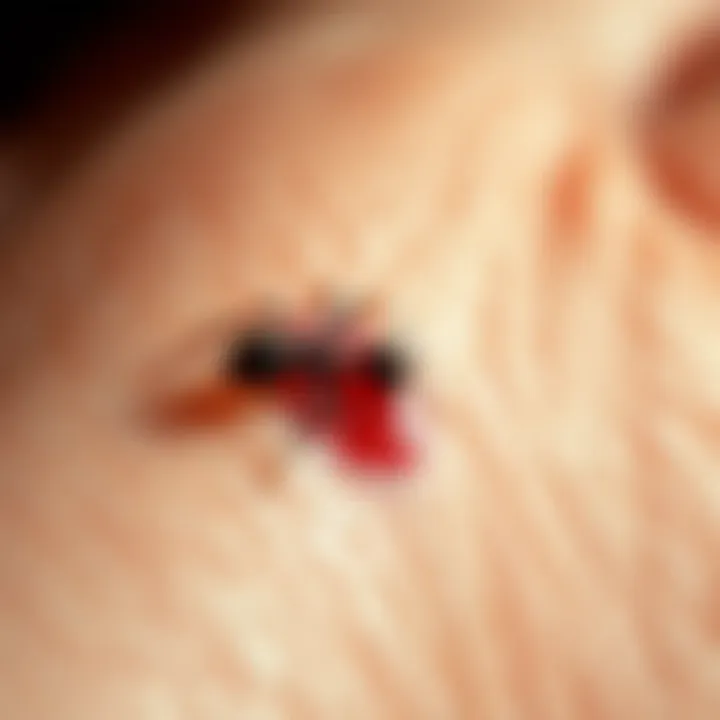
Ant bites can be more than just a pesky nuisance; they can lead to substantial swelling and discomfort. Understanding the nuances behind ant bite swelling is crucial for anyone who frequently ventures outdoors or lives in areas populated by various ant species. The swelling often varies person to person, influenced by individual biology and the specific type of ant involved.
This article aims to shed light on the biological mechanisms behind ant bite reactions, the differences in how various people respond to bites, and the effective strategies to manage and prevent swelling after such incidents. By delving into the anatomy of an ant bite and the relevant symptoms, we can gain a comprehensive overview that empowers readers.
Research Context
Background Information
The swelling that occurs after an ant bite is primarily due to the reaction of the body’s immune system. When ants bite, they inject a venom that includes proteins that can trigger an inflammatory response. This results in discomfort, redness, and of course, the swelling that can vary significantly between individuals. Some may experience a mild reaction, while others, particularly those with allergies, can face severe responses.
Importance of the Study
Identifying the reasons behind these varying reactions is essential not just for medical practitioners but also for the everyday person. This study has the potential to inform better management techniques and preventative methods, enhancing the quality of life for those at risk. With proper knowledge about the specific types of ants and their biting behaviors, individuals can take necessary precautions. It brings awareness to those looking to enjoy nature without the worry of unwanted swelling or adverse reactions.
Discussion
Interpretation of Results
An important aspect of understanding ant bites is recognizing the biological factors at play. The protein structures within ant venom can cause allergic reactions in some individuals. The body’s response can range from localized swelling to more severe systemic reactions. In certain populations, the frequency of severe reactions might correlate with genetic predispositions.
. “Ant venom is not just a cocktail of compounds; it’s ancient biology that has evolved to adapt to ecosystem needs.”
Comparison with Previous Research
Previous studies have highlighted the varying degrees of ant bight reactions based on both environmental conditions and genetic factors. For instance, research published by the Journal of Medical Entomology reveals that geographical location has a significant influence on the common types of ants found, along with their respective venom potency. These findings align with anecdotal experiences observed among different communities and provide tangible evidence that supports the variability of reactions seen in individual cases.
Additional Reading and Resources
For those interested in further exploring this topic, consider checking out the following resources:
By understanding the mechanism of ant bites and their swelling responses, individuals can better prepare themselves, thus minimizing complications arising from these encounters with nature.
Prologue to Ant Bite Swelling
Understanding ant bite swelling is crucial for several reasons. This phenomenon not only reflects how our bodies react to the venom introduced into our system but also highlights the differences in individual responses. Ant bites, while a common occurrence, can range from mild discomfort to severe reactions. The complexity of these bites and ensuing swellings lies within the biological mechanisms involved, which warrant thorough examination.
When we think of ant bites, the immediate reaction is often discomfort as the skin reacts to the venom. Swelling is a significant part of this reaction, indicating the body’s immune system at work. Knowing what constitutes an ant bite and how swelling manifests will aid individuals in differentiating between benign reactions and those requiring medical attention. Most valuable is the ability to glean insights from the process of swelling itself, as it often serves as a barometer for an individual's health status and immunity.
Educators and health professionals can greatly benefit from a deeper understanding of these biological responses. Furthermore, insights into ant bite swelling can inform preventative strategies, empowering individuals to minimize exposure and risk. A harmonious blend of understanding both the individual’s response and the broader biological implications ultimately leads to improved management strategies. Here, we'll explore the conditions surrounding ant bites: how we classify them, what triggers swelling, and why it's important to discern prolonging effects vs. typical body reactions.
Defining Ant Bites and Swelling
Ant bites typically occur when an ant feels threatened or provoked, leading it to use its mouthparts to pierce the skin. The primary objective of this act is defense and not predation. As soon as the ant bites, it can introduce venom into the wound. This venom contains proteins that affect skin cells, provoking pain and swelling.
Now, swelling itself is a physical condition characterized by an increase in size or volume of the affected area. It’s the body’s natural response, resulting from increased blood flow and the accumulation of fluids in tissues. Swelling at the site of an ant bite usually leads to redness, tenderness, and sometimes an eczematous rash.
This response is a common theme across various insect bites and stings, not exclusive to ants. However, the specific nature of an ant's bite—coupled with the type of ant—greatly determines the severity and nature of the reaction.
Importance of Understanding Reactions
Understanding reactions to ant bites is essential not only for immediate management but also for long-term health implications. Individual responses vary considerably, often influenced by previous encounters with bites, genetic predisposition, and existing allergies.
Some might experience just a slight swelling, while others could face dangerously heightened sensitivity. The intensity of these reactions can lead to delayed awareness of potential allergic responses, which are critical to address. Recognizing symptoms early can be the difference between a minor nuisance and a serious medical condition. Additionally, this knowledge serves a dual purpose: it aids in risk assessment for those frequently exposed to ants and contributes to strategies for avoiding such bites altogether, whether through preventative measures or adequate response planning.
"The body’s response to ant bites can serve as a mirror reflecting an individual’s overall health. Understanding this mirror is not only about managing discomfort—but also about safeguarding our well-being."
The exploration of both the complexity and simplicity within these reactions must thus be prioritized. Whether through detailed observation or active dialogue with healthcare providers, individuals can enhance their understanding, ensuring they are not caught off guard by the seemingly innocuous bite of an ant.
Anatomy of an Ant Bite

The anatomy of an ant bite is more than just a topic of biological interest; it is integral to understanding how these tiny creatures inflict pain and swelling on their unsuspecting victims. By examining the specific components of an ant's mouthparts and the intricate mechanisms by which venom is injected, one can gain insights into the biological warfare ants have evolved over millions of years. This understanding not only helps in comprehending the implications of ant bites but also informs management and prevention strategies for those who might encounter these pests.
Physical Structure of Ant Mouthparts
Ants possess a complex mouthpart structure designed for efficient feeding and defense. The primary components include mandibles, maxillae, and a hypopharynx. The mandibles are strong and move laterally, allowing ants to grasp and manipulate food, or deliver a painful bite. Their sharp edges can cut into the skin, and they can exert considerable force for their size.
The maxillae, paired appendages located behind the mandibles, assist in tasting and moving food into the mouth. Furthermore, the hypopharynx, which lies below the mandibles, helps in liquid feeding through a pumping action. This mouthpart arrangement equips ants not just for survival, but for actively engaging with threats.
Understanding the physical structure of these mouthparts reveals why reactions to ant bites vary among species and individuals. The size and sharpness of an ant’s mandibles can influence the depth and severity of a bite, contributing to the swelling and pain experienced by the victim.
Mechanisms of Venom Injection
When an ant bites, it's not merely a mechanical process; it initiates a biochemical assault through venom injection. The venom is usually injected through grooves in the mandibles or, for some species like fire ants, through a specialized stinger that can deliver venom with precision. Ant venom is a cocktail of proteins and compounds that can lead to pain, inflammation, and even life-threatening reactions in sensitive individuals.
The mechanics of venom delivery vary across species; for instance, fire ants have well-documented venom injection techniques that cause significant allergic reactions in some humans. Understanding how these mechanisms work plays a crucial role in determining the appropriate response and treatment options after an ant bite.
Types of Ants and Their Bites
The variety of ants that inhabit different regions contributes significantly to the nature and severity of their bites. Understanding the types of ants involved is crucial for effective management and treatment when an encounter occurs. Some ant species are known for their relatively benign bites, primarily causing localized irritation. Others may inject venom that can lead to significant swelling or even severe systemic reactions. Recognizing these species allows individuals to employ better preventative measures and tailor appropriate responses when bitten.
Common Ant Species Involved
Several ant species are notorious for their painful bites. Here are a few noteworthy offenders:
- Fire Ants (Solenopsis spp.): Perhaps the most infamous, fire ants are known for their aggressive behavior and painful stings that can lead to severe reactions in sensitive individuals. Their bites can cause significant swelling, itching, and sometimes even anaphylaxis.
- Carpenter Ants (Camponotus spp.): While carpenter ants can deliver a painful bite, their primary mode of defense involves chewing rather than stinging. The swelling is usually mild but may vary depending on individual responses.
- Harvester Ants (Pogonomyrmex spp.): Not only are these ants protective of their nests, but their bites also pack a punch, characterized by sharp pain and swelling, particularly in those with a sensitivity to their venom.
- Banded Sugar Ants (Camponotus consobrinus): While primarily found in Australia, these ants can inflict painful stings, leading to localized swelling and discomfort.
Each species has adapted to its environment, and their defensive strategies reflect such. If you know what to look for, you can avoid unnecessary bites and their complications.
Comparative Analysis of Ant Venoms
The venom composition of various ant species plays a pivotal role in the reactions individuals may experience. Here's a brief comparison:
- Proteins and Alkaloids: Most ant venoms contain proteins, which can lead to localized swelling. For example, fire ants produce a cocktail of alkaloids that can cause allergic reactions and intense itching for some individuals.
- Enzymatic Activities: The enzymes present in certain species' venom can influence the cellular response, promoting swelling. A prime example is the venom from harvester ants, which exhibits strong enzymatic activity.
- Neurotoxins: Some ants, like fire ants, possess neurotoxins designed to incapacitate prey rather than for defense alone. This can explain the heightened sensitivity and pain experienced upon being bitten.
Utilizing an understanding of these biochemical properties allows for better prevention and management strategies. Recognizing that not all ant bites are equal equips individuals to respond more effectively and learn how to avoid unnecessary complications.
Understanding the various types of ants and their venoms is essential to mitigating the effects of their bites. By familiarizing oneself with these species, the potential health risks can be significantly reduced.
Physiological Response to Ant Bites
Understanding how our body reacts to ant bites is crucial for both immediate management and long-term prevention. The physiological responses to these bites often dictate the severity of the symptoms experienced. The body’s reaction can range from mild discomfort to serious, life-threatening conditions. This section dives into two primary aspects of these reactions: the activation of the immune system and the release of histamine.
Immune System Activation
When an ant bites, it introduces venom into the body through its specially adapted mouthparts. This venom, containing various proteins and toxins, signals the immune system to spring into action. Here’s how it works:
- Detection of Foreign Substance: Immune cells, primarily white blood cells, are quick to identify the venom as a potential threat.
- Inflammatory Response: Once detected, these immune cells release signaling molecules known as cytokines, which summon additional immune responses to the site of the bite.
- Phagocytosis: Certain immune cells will attempt to engulf and digest the venom, effectively trying to neutralize it.
This activation can lead to localized swelling and redness as blood vessels dilate, allowing more blood flow to the affected area. Interestingly, the strength of this immune response can differ vastly from person to person, influenced by factors such as genetics and prior exposure to ant venom.
The implications of understanding this response extend beyond individual comfort; knowing how the immune system reacts can help in tailoring treatment options for those who are frequently exposed to ants or are at higher risk of severe reactions.
Histamine Release and Its Effects
In parallel to immune system activation, histamine plays a crucial role in the body’s reaction to ant bites. Released by mast cells and basophils during the immune response, histamine has several effects, including:
- Vasodilation: Histamine increases the permeability of blood vessels, allowing plasma to leak into surrounding tissues, causing swelling.
- Nerve Stimulation: It can stimulate nerve endings, leading to sensations of itching and pain, often experienced after a bite.
- Smooth Muscle Contraction: In more severe cases, if the reaction escalates to anaphylaxis, histamine can affect breathing by constricting airways.
"Histamine release is a key player in the swelling and discomfort following ant bites, making it a focal point for treatment strategies."
Recognizing the symptoms related to histamine release—such as intense itching, localized warmth, and swelling—is vital for individuals to gauge the severity of their reaction. In some cases, antihistamines can effectively provide relief from these symptoms, but understanding when these effects can become dangerous is imperative.
By dissecting the physiological processes at play after an ant bite, it becomes evident why some individuals experience severe reactions while others do not. Knowledge of these responses enables better preparedness when encountering ants, whether in the wild or in urban settings.
Symptoms Associated with Ant Bite Swelling

Understanding the symptoms associated with ant bite swelling is crucial for quick and effective management. Each encounter with an ant bite can trigger a varied response in individuals, influenced by factors such as their biological makeup and past experiences. Recognizing these symptoms promptly can aid in preventing complications, ensuring that appropriate actions are taken swiftly. Moreover, knowledge of these symptoms can empower individuals to make informed decisions regarding treatment and potential healthcare consultations.
Local Reactions: Redness and Swelling
Local reactions to ant bites often manifest as redness and swelling around the bite area. This inflammation occurs due to the immune system's response to the ant's venom. When venom enters the skin, it can lead to vasodilation, causing blood vessels to expand, resulting in increased redness. The antigenic compounds in the venom can also trigger the release of histamine, a chemical that exacerbates swelling.
The presentation of these local symptoms varies significantly among individuals. Some people might experience minimal swelling, while others face considerable swelling that spreads beyond the bite site.
Local redness and swelling can also be accompanied by:
- Itching: A common symptom that can sometimes be more bothersome than the swelling itself.
- Warmth: The area around the bite may feel warmer to the touch as the body increases blood flow to fight off the perceived threat.
- Pain: The bite site might be tender, and light pressure can cause discomfort.
Those dealing with these local symptoms can often manage them with simple home remedies, such as applying cool compresses or using over-the-counter topical antihistamines. It’s notable that while these local reactions are typically benign, they can be distressing.
"Never underestimate the power of local reactions; your body is reacting to what it sees as a threat, which proves that your immune system is doing its job."
Systemic Reactions: When to Seek Help
While most ant bites result in only local swelling, systemic reactions can occur and are serious. These reactions affect the entire body, and understanding when to seek medical attention is crucial. Symptoms of a systemic reaction may include:
- Hives: Raised, itchy welts might appear on areas of the body far from the bite site.
- Difficulty Breathing: A feeling of tightness in the chest or throat, or any wheezing.
- Swelling of the Face or Throat: This should signal immediate medical help as it may indicate swelling of the airways.
- Rapid Heart Rate: A symptom of shock or anaphylactic response.
- Dizziness or Fainting: Indications that the body is struggling to cope with the reaction.
Recognizing these systemic reactions early can be lifesaving. If any of these symptoms develop following an ant bite, seeking emergency medical care is vital. Antivenoms or other medical interventions might be necessary to mitigate the body's severe response, thus preventing lasting harm or complications.
In summary, understanding the spectrum of symptoms associated with ant bite swelling, from local irritations to severe systemic reactions empowers individuals to act judiciously and safely.
Factors Influencing Individual Responses
Understanding the various factors that influence individual responses to ant bites is crucial for both managing symptoms and preventing severe reactions. Each person's body is unique and reacts differently to the compounds introduced by ant bites. The response can range from localized swelling and pain to more serious systemic reactions. This variability plays a significant role in determining the overall impact of an ant bite on a person's health and daily life. Understanding these influences not only informs treatment options but can also suggest preventative strategies tailored to individuals.
Genetic Predispositions
Genetic factors can significantly affect how one's body reacts to ant bites. Some individuals may possess genetic traits that amplify their sensitivity to certain venom components found in ant bites. For instance, people with a predisposition to allergies might have reactive immune systems that can overreact to the venom, leading to increased swelling or inflammation. Here are some genetic predispositions that could influence responses:
- Higher Baseline Histamine Levels: Individuals with naturally higher histamine levels may experience more severe swelling following an ant bite due to enhanced inflammatory reactions.
- Immune System Variability: Genetic variations among individuals can lead to different immune responses, where some may react mildly to ant bites while others may have severe systemic reactions.
- Familial History of Allergies: People with a family history of allergic conditions are often at a greater risk for exaggerated responses, including hives and anaphylaxis.
The interplay of these genetic factors makes it critical for individuals to know their family health history, as it might signal caution when exposed to environments where ants are prevalent.
Previous Allergic Reactions
Experiencing previous allergic reactions can sensitize the immune system and influence future responses to ant bites. This phenomenon occurs because the immune system effectively “remembers” past encounters with allergens. When an individual has been previously exposed, the immune system may recognize the foreign proteins in ant venom as threats. This leads to heightened and immediate reactions upon subsequent exposures, reinforcing the need for awareness regarding personal medical history.
- Cross-Reactivity: Previous allergic reactions to a different insect or venom may cause the body's immune response to be more reactive to ant venoms, even if the person had not previously reacted to them.
- Severity of Past Reactions: If someone has had a severe reaction in the past, there is a higher likelihood of experiencing similar or worse reactions in the future.
- Development of Allergies: Those who have had multiple allergies throughout their lives might be at risk of developing new allergies, including reactions to ant bites, making it necessary for them to take extra precautions.
"The body’s history with allergens can dictate how it responds to future encounters. It’s like having a personal playbook for the immune system.”
Consultation with healthcare professionals is advised for individuals with a history of allergic reactions for better risk assessment and management strategies such as carrying an epinephrine auto-injector in case of emergencies.
Management of Ant Bite Swelling
Understanding how to effectively manage ant bite swelling is essential due to the discomfort and potential complications arising from insect bites. Proper management not only alleviates pain and swelling but also minimizes the risk of secondary infections and allergic reactions. Knowledge in this area enables individuals to respond appropriately to ant bites by utilizing both home remedies and over-the-counter treatments. This dual approach empowers people to decide on preventive measures and to soothe the affected area efficiently, promoting recovery.
Home Remedies and Their Effectiveness
Home remedies for ant bite swelling have been used for ages, often passed down through generations. These natural treatments provide immediate relief and can often be found in most households. Some common remedies include:
- Cold Compresses: Applying ice or a cold pack wrapped in cloth to the bite area reduces swelling and numbs the pain.
- Baking Soda Paste: Mixing water with baking soda to form a paste and applying it directly on the bite can help alleviate itching and irritation.
- Aloe Vera Gel: Known for its soothing properties, aloe vera can help reduce swelling and promote healing. It can be applied directly from the leaf or purchased in gel form.
- Honey: Often underestimated, honey not only has natural antibacterial properties but can also help reduce inflammation and soothe the skin. Applying a thin layer can be quite effective.
While these remedies can work wonders for many, their effectiveness may vary from person to person due to individual skin sensitivities and the severity of the bite. Always err on the side of caution; if there’s any worsening of symptoms, seeking medical attention is critical.
Over-the-Counter Treatments
When home remedies do not provide sufficient relief, over-the-counter treatments can serve as a dependable alternative. These products are easily accessible and often formulated to relieve itching, pain, and swelling.
- Antihistamines: Medications like diphenhydramine (Benadryl) help control allergic reactions by blocking histamine in the body. They can be particularly effective in reducing swelling and itching.
- Corticosteroid Creams: These are topical treatments that can decrease inflammation and help alleviate itching. Products containing hydrocortisone are commonly used for minor insect bites.
- Pain Relievers: Non-prescription anti-inflammatories such as ibuprofen (Advil) or acetaminophen (Tylenol) can be used to manage pain associated with ant bites.


Important Note
Consulting a healthcare professional before using any medication is advisable, especially for individuals with pre-existing conditions or those taking other medications.
Both home remedies and over-the-counter treatments have their respective advantages and drawbacks. The key is to observe one’s individual responses and seek the most suitable method of management for ant bite swelling. By merging traditional wisdom with modern pharmacological options, individuals can create a well-rounded strategy for dealing with ant bites effectively.
When to Consult a Healthcare Professional
Knowing when to seek professional medical help after an ant bite is crucial for anyone who wants to ensure their health and safety. While many ant bites result in mild swelling and discomfort, some bites can trigger severe allergic reactions or other complications that require immediate attention. Understanding when to consult a healthcare professional is essential not just for the individual's immediate health but also for long-term well-being.
Signs of Severe Reaction
Sometimes, a bite can escalate quickly, and recognizing the signs of a severe reaction can be a lifesaver. Some symptoms to watch for include:
- Extreme swelling or redness in areas distant from the bite site.
- Difficulty breathing, tightness in the throat, or wheezing; these symptoms can indicate respiratory distress.
- Rapid heart rate, which may accompany anxiety and panic.
- Nausea or vomiting, especially if it comes on suddenly.
- Dizziness or fainting, which may be associated with a drop in blood pressure.
If any of these symptoms occur, it is vital to seek emergency medical assistance right away. Ignoring these signs could lead to serious health consequences.
Understanding Anaphylaxis and Its Risks
Anaphylaxis is a severe, life-threatening allergic reaction that can occur in response to bites from certain ant species, particularly those whose venom is potent. Understanding this condition is vital for anyone who is at risk or has previously experienced serious allergic reactions. Symptoms of anaphylaxis may develop swiftly, often within minutes of the initial bite. A few key risks and considerations include:
- Delayed Identification: Sometimes, individuals may not realize they're experiencing anaphylaxis until it progresses, which can be dangerous. It's crucial to have a heightened awareness of one’s body and past reactions to ant bites.
- Underlying Medical Conditions: Individuals with existing conditions like asthma or heart disease may face increased risks, making it even more important to have an action plan in place when encountering ant bites.
- Emergency Preparedness: For those with a known allergy to ant bites, carrying an epinephrine auto-injector (like an EpiPen) can be a matter of life or death. Having it on hand ensures that immediate care can be administered if severe symptoms arise.
"When in doubt, always err on the side of caution. If you suspect a severe reaction, do not hesitate to seek medical attention. Your health is worth it."
By being aware of the potential severity of ant bites, individuals can take proactive steps to ensure their health and safety. Consulting healthcare professionals promptly can mean the difference between a mere inconvenience and a significant health crisis.
Preventative Strategies Against Ant Bites
Taking steps to prevent ant bites is crucial, both for comfort and health. While the disciplines of biology and medical science have deepened our understanding of ant bite effects, there is a practical need for strategies that minimize encounters with these often unnoticed nuisances. Ants may seem small, but their effects can be quite large—particularly if someone has an exaggerated response to their bites. Thankfully, with a thoughtful approach, many methods can be employed to create a less inviting environment for these insects.
Identifying High-Risk Areas
Understanding where ant bites are likely to happen is half the battle in prevention. Certain environments make for prime ant habitats and increase the likelihood of coming into contact with them.
- Outdoor settings: Parks, gardens, and picnic areas where food is present attract not just picnickers but also ants. If you're enjoying a meal outdoors, ants may follow the food trails.
- Near Ant Nests: Pay attention to anthills in your yard or fields. These can be a beehive of activity, and stepping too close may land you in a bite situation.
- Urban Areas: Even sidewalks in cities can host ants who are foraging for food. Be wary of sitting on benches or grassy areas where ant movement can go unnoticed until it’s too late.
Awareness plays a significant role; being on the lookout for these habitats allows individuals to strategically avoid them, reducing the chances of an uncomfortable encounter.
Personal Protective Measures
While it's vital to avoid high-risk areas, it's also smart to equip yourself with personal protective strategies. Different situations may call for specific measures:
- Clothing Choices: Wear long pants and sleeves when venturing into known ant habitats. This adds a layer of protection against potential bites. Light-colored clothing can help in spotting ants before they crawl onto you.
- Footwear: Opt for closed shoes rather than flip-flops or sandals, which can leave feet exposed. This is particularly important when walking in grassy areas or near gardens.
- Repellents: Use natural or chemical insect repellents suitable for personal use. Look for formulations that specifically mention protection against ants, as these typically contain ingredients that are unsettling for ants.
- Food Management: If you plan to be outdoors, manage your food properly. Keep it sealed and avoid leaving it unattended, as this can lure ants.
Implementing these strategies can not only keep you safe from potential bites but also make your time outdoors more enjoyable.
"Prevention hinges on mindfulness—our awareness can keep the biting ants at bay."
These preventative strategies create a robust defense against ant bites, allowing individuals to navigate shared spaces confidently. Being knowledgeable equips you with the tools necessary to enjoy the outdoors or work in a possible high-risk area, without constantly worrying about uninvited ant guests.
End
In wrapping up the exploration of ant bite swelling, it's vital to recognize the multifaceted nature of the issue. This overview has revealed that understanding the biological, environmental, and individual factors that impact reactions to ant bites can lead to more effective management and prevention strategies. The significance of detailing the physiological responses and types of ant species cannot be understated; it not only empowers individuals to respond appropriately to bites but also fosters an awareness of one's surroundings, minimizing the likelihood of encounters with aggressive ant species.
Summarizing Key Insights
The discussion has highlighted several key insights:
- Species Variation: Different ant species provide varying venom compositions which affect the severity of swelling experienced.
- Individual Response: Personal factors, such as genetics and previous allergic reactions, play a significant role in determining how one reacts to an ant bite.
- Treatment Options: Effective management strategies include both home remedies and over-the-counter options that cater to mild symptoms, while severe reactions require prompt medical attention.
These insights underscore the importance of a blended approach that engages both personal awareness and scientific understanding.
Future Directions in Research
Looking ahead, research into ant bite swelling could delve into several promising areas:
- Expanded Venom Studies: Investigating the molecular makeup of ant venoms could pave the way for developing advanced treatment protocols targeting specific responses.
- Enhanced Allergen Profiling: Understanding the genetic markers associated with heightened allergic reactions to ant bites could lead to personalized treatment options.
- Environmental Impact Assessment: Studying the ecological factors that drive ant aggression and their interactions with humans can help establish guidelines for safe outdoor activities.
Through these avenues, the field can advance, leading not only to improved treatment options but also better preventative measures for those potentially at risk. A commitment to ongoing research could reshape how communities manage and live alongside these resilient insects.