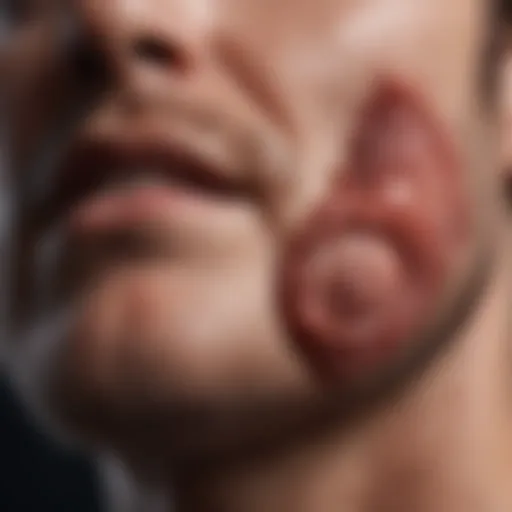
Understanding Sores on the Corner of Your Mouth


Intro
Sores at the corners of your mouth, often called angular cheilitis, can be quite a nuisance. They’re not just mere annoyances; they can also signal underlying health issues that need to be attended to. Nobody wants to look in the mirror and see splits or cracks at the edges of their lips, yet this condition is more common than one might think. Understanding these sores involves a multifaceted approach, examining the causes, symptoms, and the myriad of treatment options available.
In many cases, the sore is the body's way of communicating that something is off balance. Whether it's due to a lack of certain vitamins, a fungal infection, or even habitual licking of the lips, it’s important to get to the root of the issue. Paying attention to these signs not only helps in treating the current problem but also serves as a preventive measure against future recurrences. This article delves into the intricacies of angular cheilitis, equipping readers—be it students, researchers, educators, or healthcare professionals—with essential knowledge to tackle this condition effectively.
Let’s embark on a thorough exploration of angular cheilitis, leaving no stone unturned.
Prelude to Mouth Sores
Understanding mouth sores is more than just a study of painful lesions or discomfort; it's a gateway into a myriad of health implications, lifestyle factors, and emotional well-being. Mouth sores, especially those found at the corners, commonly present a sign of various underlying issues that may be easily overlooked. Recognizing the significance of these sores can lead to earlier interventions and prevent further complications. By unpacking the mysteries surrounding these common, yet often ignored, ailments, we can better comprehend their implications and the necessary steps for effective management.
When one mentions mouth sores, the first thought isn't always about practicality or health. Yet, these little nuisances can create havoc, affecting daily tasks like eating, speaking, or even smiling freely. Knowing what causes these sores not only sheds light on treating current ailments but also paves the way for prevention strategies that can fortify one’s oral health.
Additionally, mouth sores may serve as visual indicators. They sometimes reflect nutritional deficiencies or systemic health concerns that require attention. Hence, discussing mouth sores is not merely about pain management; it's about understanding how our bodies communicate with us. Understanding their nature and origin can enhance overall health literacy, encouraging a proactive approach in patients, caregivers, and healthcare professionals.
As we delve into the facets of mouth sores throughout this article, we will explore definitions, types, symptoms, and underlying causes. Understanding these characteristics will arm readers with the knowledge needed to identify potential issues early on, which is a critical aspect of health maintenance. Ultimately, gaining insight into mouth sores fosters a better awareness of overall health, urging individuals to seek timely medical advice when necessary.
"Sometimes, little pains in the mouth can point to big issues in the body. Don't ignore them!"
In essence, mouth sores serve as a small but pivotal part of oral health. They request our attention and an understanding that transcends their appearance. This leads us inexorably into the next step of our exploration: defining what exactly mouth sores are and the types we may encounter.
Characteristics of Sores on the Corner of the Mouth
Understanding the characteristics of sores at the corners of the mouth is essential for recognizing this common yet often overlooked condition. These sores, often termed angular cheilitis, can significantly affect quality of life, leading to discomfort and issues with eating, speaking, or simply feeling self-assured. By familiarizing oneself with the specific characteristics of these sores, individuals can take proactive steps toward effective management and prevention.
Common Symptoms
When one talks about the common symptoms associated with sores at the corners of the mouth, it's crucial to consider what one might physically experience. Common sensations include:
- Pain or Discomfort: Many individuals report a sharp or stinging sensation, especially when the mouth is in motion. This can escalate when consuming acidic or spicy foods.
- Cracking or Fissuring: The skin at the corner may appear to be cracked or may develop small fissures. In some cases, it can even bleed slightly.
- Swelling: Inflammation can occur, causing redness and swelling around the affected area.
- Dryness and Peeling: The skin may appear dry and flaky, which can sometimes worsen as the condition progresses.
Recognizing these symptoms early is vital for seeking appropriate treatment. For anyone experiencing these, immediate attention may prevent further complications.
Visual Appearance
The visual appearance of sores at the corner of the mouth can serve as a clue to their underlying issues. Typically, this area may appear:
- Red and Inflamed: Initial stages often show redness that can evolve into a noticeable inflammation.
- Crusty or Scabbed: Upon examination, some individuals may notice crusty or scabbed lesions, especially if the area has been irritated or picked at.
- Bumpy or Irregular: The texture around the corners may vary, with bumps or irregularities appearing where skin has reacted to infection or irritation.
To fully grasp how these sores manifest, it’s helpful to visualize the area affected. People may liken them to fissures one might see after sunburn, where skin is taut and irritated.
Overall, understanding the characteristics, including symptoms and visual indicators, sets the foundation for handling angular cheilitis effectively. It equips individuals not just with knowledge, but also with the means to combat discomfort and promote healing.
Causes of Angular Cheilitis
Understanding the causes of angular cheilitis is essential for addressing the condition effectively. This section outlines the potential origins of sores at the corners of the mouth. Each cause plays a pivotal role in symptom manifestation and treatment choice, helping to tailor approaches that can ease discomfort and accelerate healing.
Infectious Causes
Bacterial and fungal infections are prominent contributors to angular cheilitis. These infections are often opportunistic, taking advantage of breaks in the skin or altered immune responses. It’s vital to comprehend how these infections act and their implications in treatment.
Bacterial Infections
Bacterial infections, such as those caused by Staphylococcus aureus, are frequently associated with angular cheilitis. They thrive in moist environments, making the corners of the mouth an appealing target, especially when saliva accumulates. The key characteristic of bacterial infections is their ability to provoke inflammation and pain, which can lead to pus formation and crusty lesions.
While bacterial infections can significantly disrupt an individual's daily life, they provide a clear pathway for targeted therapies, such as topical antibiotics. Discussing these specific infections is beneficial for healthcare providers and patients, as it emphasizes the necessity for hygienic practices and possible medical interventions.
Fungal Infections
Conversely, fungal infections, particularly those caused by Candida albicans, also contribute notably to angular cheilitis. The characteristic feature of these infections is the white, creamy coating often seen in the affected areas. Fungi flourish in warm, moist settings, and when the skin integrity is compromised, they can proliferate, leading to itchy, burning sensations.
This aspect of fungal infections highlights the advantage of using antifungal treatments, which can radically improve symptoms and restore skin health. Awareness of fungal infections in the context of this article is particularly valuable as it underscores the varying treatments available and encourages people to seek medical advice if symptoms arise.
Nutritional Deficiencies
Nutritional status can be a significant underlying factor in the development of angular cheilitis. Various deficiencies, particularly those of Vitamin B and Iron, can lead to weakened skin and reduced immune response, making individuals more susceptible to infections and sores.
Vitamin B Deficiencies


Vitamin B deficiencies, particularly B2 (riboflavin) and B12 (cobalamin), can contribute distinctly to angular cheilitis. These vitamins are crucial for maintaining healthy skin and mucous membranes. A deficiency in these can lead to dryness and cracking at the corners of the mouth. The notable characteristic of this deficiency is its prevalence in individuals with restrictive diets, malabsorption disorders, or certain chronic illnesses.
This recognition of Vitamin B deficiencies forms a cornerstone in holistic treatment regimes, promoting the idea of dietary adjustments or supplementation as beneficial interventions. It's crucial, therefore, to spotlight these deficiencies in the context of their broader nutritional implications.
Iron Deficiency
Iron deficiency, often resulting from inadequate dietary intake or increased physiological demand, is another contributor to angular cheilitis. It can manifest as pallor and weakened immune defenses, leaving individuals vulnerable to infections. The main characteristic of this deficiency is its capacity to lead to anemia, which can exacerbate the severity of sores.
This information is pivotal, as addressing iron deficiencies can be a straightforward yet powerful approach. It emphasizes diet as a tool for prevention and healing, empowering individuals to modify their nutrition for better oral health outcomes.
Other Contributing Factors
Other elements such as oral hygiene and physical conditions also play significant roles. They can contribute to the formation of sores by affecting skin integrity and healing processes. Understanding these additional factors allows for a more comprehensive view of angular cheilitis.
Oral Hygiene
Keeping up with good oral hygiene is paramount. Poor oral hygiene can lead to an increase in bacteria and fungi around the mouth. This contributes to inflammation and infection risks. The main characteristic of this factor is that it is entirely preventable. Regular brushing, flossing, and routine dental check-ups can drastically reduce the risk of developing angular cheilitis.
Highlighting the importance of oral hygiene can enlighten individuals about the connection between overall health and mouth care. This actionable advice is beneficial for readers, as it encourages proactive behavior regarding their oral health.
Physical Conditions
Physical conditions, such as diabetes, are also notable contributors to angular cheilitis. These ailments can compromise the immune system and alter skin health. The characteristic feature of such conditions is their chronic nature, making it important for those affected to be vigilant.
Discussing these physical conditions is essential because they emphasize the interconnectedness of various health issues. It encourages proactive monitoring and lifestyle adjustments, which may lead to better health management overall.
Understanding these diverse causes provides a well-rounded perspective on angular cheilitis. By delving into these areas, individuals can empower themselves with knowledge that fosters informed choices for prevention and treatment.
Diagnosis of Sores on the Corner of the Mouth
Diagnosing sores at the corners of the mouth is an essential part of understanding angular cheilitis. The accuracy of this diagnosis can significantly influence the management and treatment plan. Misdiagnosis or delays in diagnosis can lead to more discomfort, prolonged symptoms, and persistent conditions. It's important to recognize the symptoms early, especially since they can be the manifestation of underlying issues.
When a healthcare professional evaluates a patient with mouth sores, they often have to discern between several potential causes, which vary greatly in nature—from simple dryness to serious infections. Hence, a precise diagnosis allows for targeted treatment.
Clinical Assessment
During a clinical assessment, the healthcare professional will foremost take a thorough medical history. This involves asking about the duration of the lesions, associated symptoms like pain, itching, or burning, as well as previous occurrences. The practitioner will typically look at the visual appearance of sores; red, cracked skin around the mouth can hint at angular cheilitis.
Physical examination plays a vital role too. Often, the healthcare provider will assess for any swelling, pus, or crusting. Conditions such as oral thrush or herpes simplex must also be ruled out. In some cases, they may palpate the area to check for tenderness or distinct anomalies that could signify more serious issues. Understanding the individual patient's lifestyle factors, such as smoking or dietary habits, can provide additional insights, enabling a healthcare professional to recommend tailored interventions.
Laboratory Tests
In certain situations, clinical assessment alone may not suffice, and laboratory tests could become necessary for a definitive diagnosis. These tests help to identify whether a fungal or bacterial infection is present.
- Cultures: A sample from the sore can be taken for culture. This helps ascertain the presence of specific pathogens responsible for the infection. A culture test might reveal a fungal infection, possibly stemming from Candida species, or a bacterial infection, which might require different treatment approaches.
- Blood Tests: Blood tests may be conducted to detect underlying nutritional deficiencies that could contribute to the formation of sores. For instance, checking levels of vitamin B12 and iron can often help identify deficiencies that need addressing.
- Allergy Tests: If contact dermatitis is suspected due to irritants or allergens, tests may help identify any specific sensitivities. Allergies might worsen the existing sores or even contribute directly to their formation.
Utilizing both a thorough clinical assessment and targeted laboratory tests increases the likelihood of arriving at the right diagnosis. This approach not only speeds up treatment but ultimately aids in reducing the impact of angular cheilitis on the individual's quality of life.
"A precise diagnosis is like a roadmap for treatment; it identifies the path and helps avoid unnecessary detours."
By understanding the nuances of diagnosis, students, researchers, and healthcare professionals can better navigate the complexities of mouth sores, ensuring effective management and enhanced patient care.
Treatment Options
Treatment options are crucial when addressing sores at the corners of the mouth, commonly known as angular cheilitis. Understanding these options allows individuals to tackle not just the symptoms, but also the underlying causes of these sores, which can arise from various factors, including infections and nutritional deficiencies. Proper treatment can alleviate discomfort, promote healing, and prevent recurrence, ultimately improving overall oral health.
Topical Therapies
Topical therapies are often the first line of defense against mouth sores. They are generally easy to apply and can provide quick relief. Topical options typically include antifungal creams and antibacterial treatments, each playing a pivotal role in fighting off infections that may be contributing to angular cheilitis.
Antifungal Creams
Antifungal creams, such as clotrimazole or miconazole, specifically target fungal infections that can lead to sores in the mouth's corners. One of the hallmark traits of antifungal creams is their efficacy in combating Candida, a yeast fungus that thrives in moist environments. This makes them a widely favored choice for treating angular cheilitis, particularly when a fungal infection is suspected.
Unique features of antifungal creams include their rapid absorption into the skin, which often leads to noticeable improvements within a few days. However, while these creams are generally well-tolerated, potential side effects like localized irritation or allergic reactions should not be overlooked. It's also worth noting that these creams should be used as directed to avoid misuse or resistance.
Antibacterial Treatments
Antibacterial treatments, such as mupirocin, aim to eliminate bacterial overgrowth that can complicate or exacerbate the sores. The primary characteristic of these treatments is their broad-spectrum action against bacteria like Staphylococcus aureus, which is often implicated in persistent mouth sores. Their popularity stems from their ability to effectively treat sores that may become infected due to environmental factors or compromised immune responses.
A distinct feature of antibacterial treatments is their dual action: they not only kill bacteria but also reduce inflammation, which can provide relief from the discomfort associated with angular cheilitis. Nonetheless, users should be aware of potential disadvantages, such as the risk of developing resistance if the treatment is not used as prescribed.


Systemic Treatments
For more severe or persistent cases, systemic treatments may be required. These involve the use of oral medication that can address both the infection and any underlying conditions that may predispose an individual to develop sores.
Systemic antifungal medications can be particularly effective in cases where topical options have failed. They reach the bloodstream, allowing for broad treatment of fungal infections. Similarly, antibiotics can be prescribed for bacterial concerns, ensuring comprehensive management of the condition.
Nutritional Supplements
Nutritional deficiencies play a significant role in the development of angular cheilitis, making nutritional supplements a relevant aspect of treatment. Supplementing with vital nutrients, like vitamin B12 and iron, not only aids in healing but also prevents future occurrences.
Consuming a well-balanced diet and possibly incorporating a multivitamin can bolster oral health overall. Individuals must approach supplementation thoughtfully, ideally after consulting a healthcare provider, to avoid excess intake or interactions with other medications.
Prevention Strategies
Prevention strategies are crucial when it comes to dealing with sores on the corners of the mouth, often known as angular cheilitis. These sores can not only be painful but also adversely affect one's quality of life. By understanding how to prevent them, individuals can save themselves the hassle of treatment while maintaining better oral health.
Maintaining Good Oral Hygiene
Keeping the mouth clean is the cornerstone of prevention. Regular brushing and flossing are essential. Germs thrive in an unclean environment, and an imbalance in oral hygiene can lead to various problems, including sores. A few tips include:
- Brush twice daily with fluoride toothpaste to remove food particles and plaque.
- Floss daily to eliminate between-tooth debris, which can get stuck and create infection-prone areas.
- Use mouthwash to help wash away bacteria and reinforce your oral regime.
It’s also worth noting that dry mouth can be a contributor, so staying hydrated and using a humidifier in dry climates may further support oral health. Swapping out sugary snacks with healthier options can be beneficial too. Your mouth is a reflection of your overall health, so invest time in caring for it.
Dietary Considerations
What you eat plays a role in preventing sore formations. A balanced diet rich in vitamins and minerals can fortify your immune system and reduce your risk factors. Key dietary considerations include:
- Vitamin B and Iron: These nutrients are vital for skin and mucous membrane health. Incorporate foods like spinach, red meat, lentils, and fortified cereals.
- Hydration: Water is often overlooked but is essential for maintaining moisture in the mouth and preventing dry, cracked skin.
- Avoid High-acid Foods: Citrus fruits and overly spicy dishes can irritate the corner area, especially if there are pre-existing cuts or sores.
Transforming one’s eating habits may seem daunting, but with small steps, a nutrient-rich diet can become part of your lifestyle.
Avoiding Irritants
Irritants can exacerbate the condition and may lead to recurring sores. Identifying and avoiding common triggers is essential. Some to consider include:
- Lip Balm with Fragrance: Choose fragrance-free options; scents may cause irritation and lead to allergic reactions.
- Toothpaste with Sodium Lauryl Sulfate: This ingredient, found in many toothpastes, can contribute to mouth sores. Opt for gentler formulas without SLS.
- Certain Foods: Some individuals might find that food allergens like nuts and dairy can lead to mouth sores. Keeping a food diary can help you pinpoint any specific triggers.
In summary, taking a proactive approach to oral health through diligent care, smart dietary choices, and being mindful of irritants can effectively reduce the frequency and severity of sores at the corners of your mouth. Staying informed and practicing good habits plays a key role in prevention.
Myths and Misconceptions
Sores that appear at the corners of the mouth, often known as angular cheilitis, can breed a slew of myths and misunderstandings. It's vital to address these misconceptions because they can lead to anxiety, mismanagement, and sometimes even protracted pain for those suffering from these sores. Clarifying the facts around mouth sores helps individuals identify valid symptoms, explore effective treatments, and understand preventative measures, ultimately driving better health outcomes.
Understanding Common Misbeliefs
There are a number of myths floating around about sores on the corner of the mouth. Let’s break a few of them down:
- Myth 1: "These sores are contagious."In reality, angular cheilitis isn’t contagious. While it can arise due to infectious agents like bacteria or fungi, the sores themselves don’t transfer from person to person, unlike viruses such as the flu or cold sores, which can spread quite easily.
- Myth 2: "Only elderly people get these sores."While older adults may be more susceptible due to skin thinning and nutritional deficits, anybody can experience angular cheilitis. Young children, teenagers, and even healthy adults can develop these sores, often triggered by a variety of factors such as stress or nutritional deficiencies.
- Myth 3: "Angular cheilitis is just a minor inconvenience."For some, especially those with chronic conditions, these sores can cause significant discomfort, affecting eating, speaking, and overall quality of life. So it’s far from simple to brush them off as insignificant.
These misconceptions can lead to a lack of appropriate treatment or an increase in stigma for those appropriately suffering. To really tackle the problem, it’s important to sift through these myths and rely on factual information.
Clarifying What Works
When it comes to treatment and management of sores at the corners of the mouth, knowledge is power. By understanding what truly works, individuals can make informed decisions:
- Topical treatments such as antifungal or antibacterial creams can be very effective. Applying these early can help nip infections in the bud before they escalate.
- Nutritional adjustments should not be underestimated. Incorporating foods rich in vitamin B12 and iron can bolster the body’s defenses against these problems. Additionally, staying hydrated goes a long way in maintaining skin integrity.
- Maintaining good oral hygiene cannot be emphasized enough. Simple measures like brushing and flossing regularly can help prevent not just these sores but a myriad of other oral health issues too.
"Prevention is cheaper than cure" — though it's a bit of a cliché, in this case, it resonates. Avoiding known irritants and triggering conditions can keep those annoying sores at bay.
In essence, tackling the myths surrounding sores on the corners of the mouth equips individuals with actionable insights. Fact-busting leads to better understanding and peace of mind. Individuals need to be wary of misinformation and make evidence-based choices in consulting healthcare professionals when necessary.
Lifestyle Factors Influencing Mouth Sores
Understanding the lifestyle factors that contribute to sores on the corner of the mouth is crucial for both prevention and management of angular cheilitis. These sores can significantly affect one's quality of life, causing discomfort and impacting social interactions. Certain habits and lifestyle choices can either exacerbate or alleviate the condition. This section explores two major lifestyle aspects that can influence the occurrence and persistence of these sores: stress and the use of alcohol and tobacco.
Impact of Stress
Stress can take a visible toll on the body in numerous ways, and mouth sores are no exception. When a person faces chronic stress, the body tends to enter a state of lowered immune response, making it more susceptible to infections. Furthermore, stress often manifests in habits like lip biting or excessive tongue movement, which can create small injuries in the fragile skin at the corners of the mouth.
A 2019 study highlighted that individuals with high levels of stress reported more frequent occurrences of angular cheilitis when compared to their less-stressed counterparts. Incorporating stress management techniques, such as mindfulness and relaxation exercises, could help mitigate these risks. Simple practices like deep breathing, yoga, or even taking a calming walk can be beneficial.


The relationship between stress and mouth sores, while indirect, cannot be overlooked. The immune system may weaken, resulting in greater vulnerability to both bacterial and fungal infections, which can lead to painful sores.
Effects of Alcohol and Tobacco
The consumption of alcohol and tobacco also plays a pivotal role in developing angular cheilitis. Both alcohol and tobacco can dry out the skin and mucous membranes, making them more prone to cracks and infections. Alcohol, particularly in excess, can deplete the body of essential vitamins, further contributing to nutritional deficiencies that are linked with the condition.
Tobacco usage introduces numerous irritants into the mouth area, which can worsen existing sores or create new ones. Smoking can cause a series of localized inflammatory responses, making the corners of the mouth more susceptible to sores.
It's noteworthy that cutting back on these substances not only benefits oral health but can also lead to a marked improvement in overall well-being.
End
A well-rounded understanding of how lifestyle factors such as stress and substance use impact mouth sores is essential. By being mindful of stress levels, adopting healthy coping mechanisms, and reducing or eliminating the consumption of alcohol and tobacco, individuals can take proactive steps toward preventing angular cheilitis and enhancing their overall oral health.
For those interested in further exploring these connections, resources at reputable health sites such as Mayo Clinic or WebMD can provide additional insights and recommendations for lifestyle modifications.
When to Seek Medical Attention
Sores on the corner of the mouth can often feel like a mere nuisance, yet they might signal something more serious. Recognizing the right moment to reach out to a healthcare provider can greatly impact the healing process and general well-being. This section delineates key factors surrounding this decision, emphasizing what to look for and the benefits of appropriate medical consultation.
Identifying Severe Cases
Understanding when a sore becomes a serious concern is vital. A relatively benign sore might develop into an issue if certain symptoms arise. Here are several red flags to keep an eye out for:
- Consistent Pain: If the sore persists, and over-the-counter treatments don't offer relief, it might be time to knock on your doctor's door.
- Expansion of the Sore: When a sore increases in size or spreads further around the mouth, it may indicate a more severe infection at play.
- Fever or Systemic Symptoms: Accompanying symptoms, like a fever or swollen lymph nodes, can signal that the body is fighting an infection, thus warranting immediate attention.
- Recurrent Issues: If these sores keep cropping up, it may be more than just bad luck; persistent or frequent occurrences might point to underlying nutritional deficiencies or other health concerns.
If any of these concerns sound familiar, consult a healthcare professional. They have the tools to diagnose and treat conditions affecting your health.
Consulting Healthcare Professionals
When it becomes evident that self-care isn't cutting it, engaging with healthcare professionals becomes critical. Here are a few considerations for making that call:
- Type of Specialist: Depending on the situation, starting with your primary care doctor may suffice. However, they might refer you to a dermatologist or even an oral surgeon if the situation calls for specialized knowledge.
- Comprehensive Evaluation: A thorough clinical assessment often includes discussing your dietary habits, lifestyle factors, and any recent stressors. This holistic approach can uncover the root causes of recurring sores.
- Laboratory Tests: If warranted, healthcare professionals may suggest laboratory tests. These could include blood tests to check for nutritional deficiencies or swabs of the sore itself to pinpoint any potential infections.
- Tailored Treatment Plans: Not every treatment fits every person. Consulting with experts allows for personalized treatment strategies that address both symptoms and underlying causes more effectively.
It’s always better to err on the side of caution; early intervention can lead to quicker recovery and prevent complications.
While it's tempting to try home remedies or self-diagnose based on symptoms, professional insight provides clarity and peace of mind. The corner of your mouth shouldn’t be a source of ongoing discomfort. Time may seem to drag when facing these issues, but seeking medical help could lead to a swift resolution and a return to comfort.
Research and Recent Developments
In recent years, considerable attention has been given to the study of angular cheilitis, primarily driven by a combination of emerging health trends and patient experiences. Understanding the latest research and breakthroughs is essential, as it guides healthcare professionals, researchers, and educators in diagnosing, managing, and preventing these sores effectively. With an increasing number of studies shedding light on the multifaceted nature of these conditions, there is a stronger emphasis on exploring both the etiology and the treatment methodologies.
Recent findings underscore the significance of nutritional assessments, proving that certain vitamin deficiencies can exacerbate the onset of sores at the corners of the mouth. The impact of dietary habits is becoming clearer, making it essential for both individuals and health practitioners to be informed. By keeping abreast of these recent developments, one can better grasp the interconnectedness of oral health and overall wellness.
One must consider how advancements in biotechnology and medicine are shaping treatment protocols. Innovative approaches, coupled with a growing understanding of patient lifestyles, are leading to more personalized health care solutions. This is important not only for improving outcomes but also in augmenting preventative strategies. Essentially, the dialogue surrounding angular cheilitis is evolving, and staying informed is vital for implementation of effective practices.
"Staying updated with ongoing research is crucial for developing effective management strategies and patient education programs."
Current Studies
Several current studies are diving deep into the relationship between angular cheilitis and its underlying causes. One notable research project conducted by the University of Michigan focuses on bacterial infections as a primary trigger for soreness at the mouth’s corners. This study, which involves comprehensive medical examinations and patient interviews, aims to identify correlations between lifestyle factors and the prevalence of angular cheilitis.
Additionally, another significant study published in The Journal of Nutrition has highlighted the direct connection between iron-deficiency anemia and the manifestation of angular cheilitis. Researchers discovered that individuals with lower iron levels often experience more severe symptoms, suggesting that integrated nutritional therapies could be beneficial in managing this condition.
Advancements in Treatment
The landscape of treatment options for angular cheilitis is rapidly changing, thanks to recent advancements. Health professionals are now leaning more towards holistic treatment options that address both the symptoms and the underlying causes. For instance, the use of probiotics for balancing oral microbiota has been gaining traction. Studies have indicated that a healthy oral flora can significantly reduce the frequency of infections in those who are susceptible.
Moreover, the introduction of customized topical treatments formulated specifically for angular cheilitis has improved the management of this condition. These targeted therapies come with powerful properties that not only treat existing sores but also speed up the healing process. Furthermore, there’s a growing interest in the role of zinc supplements, which are being examined for their effectiveness in healing and preventing reoccurrences.
Closure
Understanding the intricacies of sores at the corner of the mouth is pivotal for both prevention and treatment, particularly for those affected by angular cheilitis. While the symptoms can be bothersome, they also serve as an important indicator of underlying issues, ranging from simple nutritional deficits to more complex infections. The comprehensive overview provided throughout this article seeks to empower readers—students, researchers, and healthcare professionals alike—with knowledge that is not only practical but also rooted in scientific exploration.
Summarizing Key Points
To encapsulate the findings on angular cheilitis, it's essential to revisit the core aspects discussed:
- Definition and Types: We delved into what constitutes mouth sores, highlighting various classifications that might appear around the lips.
- Symptoms and Visual Appearance: Symptoms are not merely surface indicators; they reveal much about one’s overall health.
- Causes and Contributing Factors: Addressing issues such as nutritional deficiencies, infections, and lifestyle habits helps underscore the complexity of treatment.
- Diagnosis and Treatments: Emphasizing appropriate clinical assessments followed by viable therapies empowers individuals to seek timely medical advice.
- Prevention Strategies: Simple yet effective methods like maintaining oral hygiene and dietary vigilance can mitigate the chances of occurrence.
- Myth-Busting: Deconstructing commonly held misconceptions allows for clearer understanding and effective communication about this condition.
- Lifestyle Influences and Seeking Help: Understanding when to seek professional guidance is crucial, as is recognizing the role of stress and habits like smoking or alcohol use.
- Research Insights: Staying informed about the latest studies holds value for future preventive measures and treatment protocols.
Future Directions in Research
Looking ahead, there are numerous avenues for research that could deepen our understanding of angular cheilitis:
- Exploring Genetic Factors: Investigating potential genetic predispositions to the condition could unveil new insights.
- Longitudinal Studies: These could examine the long-term effects of various treatment methods and the recurrence of symptoms in different populations.
- Advanced Therapeutics: Researching new topical agents and systemic treatments focusing on efficacy and reduced side effects may be beneficial.
- Psychosocial Impacts: Assessing how mouth sores influence one’s quality of life can refine holistic treatment approaches, encompassing both physical and emotional well-being.
- Nutritional Interventions: Conducting studies that focus on diet modifications in preventing angular cheilitis could yield practical recommendations for those at risk.
It is through these collective pursuits that the gap between understanding and treatment can be effectively bridged, leading to better outcomes for individuals suffering from sores on the corner of the mouth.