Analysis of MRSA Disinfectants: Efficacy and Uses


Research Context
Background Information
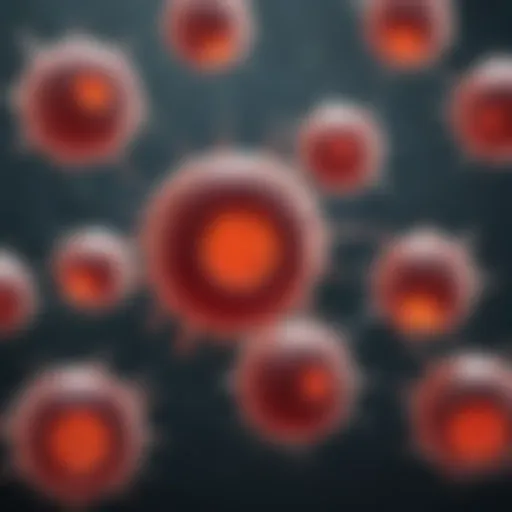
Methicillin-resistant Staphylococcus aureus, commonly known as MRSA, poses a significant challenge in both healthcare settings and the broader community. Discovered in the early 1960s, these bacteria have become increasingly prevalent due to their ability to resist commonly used antibiotics. This resistance complicates treatment options, making it vital for healthcare professionals and the general public to grasp how to minimize the risk of MRSA infections.
The landscape of this pathogen is ever-evolving. New strains continuously emerge, each with unique characteristics that can alter their virulence and resistance profiles. Understanding these mechanisms plays a crucial role in developing effective disinfection strategies to combat MRSA's spread in hospitals, schools, and other communal spaces where individuals may be at risk.
Importance of the Study
The importance of this analysis lies in its comprehensive exploration of disinfectants that target MRSA. With increasing rates of MRSA infections reported worldwide, a thorough understanding of how these disinfectants work, as well as their effectiveness, has never been more critical. Through this article, we aim to chart the efficacy of various disinfectants, providing practitioners and everyday individuals practical insights to keep their environments safe.
The stakes cannot be underestimated. Infections caused by MRSA can lead to severe health complications and even fatalities. For healthcare settings where vulnerable populations reside, such as hospitals and nursing homes, the need for effective disinfectants is paramount. The outcomes of this study will offer a detailed roadmap for selecting and applying disinfectants correctly, ultimately contributing to a safer environment for all.
"Infection prevention is everyone's business. By relying on effective disinfectants, we not only ensure safety but also promote public health at large."
Discussion
Interpretation of Results
This analysis delves into the mechanisms of action for various chemical agents used against MRSA. The effectiveness of disinfectants hinges on multiple factors, including concentration, contact time, and surface type where these products are applied. For instance, quaternary ammonium compounds have gained attention due to their ability to denature protein structures and disrupt cell membranes. However, their efficacy can vary significantly based on the specific strain of MRSA and environmental factors.
Comparison with Previous Research
Previous studies have shown mixed results regarding the effectiveness of different disinfectants against MRSA. For example, research published in the American Journal of Infection Control indicated that while bleach solutions are effective in eliminating MRSA on surfaces, their application requires caution due to potential health risks associated with fumes and skin contact. On the other hand, newer formulations, like hydrogen peroxide-based disinfectants, have shown promise in delivering effective results without the harsh side effects. The progression in disinfectant technology symbolizes a shift toward more user-friendly yet powerful solutions for tackling MRSA.
The landscape of disinfectant efficacy continues to evolve as new research emerges, shedding light on previously unexplored avenues. Consequently, staying abreast of advancements is essential for informed decision-making in public health and infection control.
Understanding MRSA
The rising threat of Methicillin-resistant Staphylococcus aureus, commonly known as MRSA, has sparked significant concern in both medical communities and the general public. Understanding MRSA is crucial for a multitude of reasons. First and foremost, it enables us to grasp the nature of these bacterial infections, allowing healthcare professionals to implement effective control measures. Given that MRSA is known for its resistance to several commonly used antibiotics, dissecting how it operates and spreads is essential for ensuring that infections can be effectively managed.
Education regarding MRSA is beneficial not only for healthcare practitioners but also for patients and families. Those educated about MRSA can better engage with strategies that minimize their exposure, especially in environments such as hospitals, where the risks tend to run high. Furthermore, it lays the groundwork for discussions on infection prevention and control—a crucial element in combating the spread of these pathogens.
Another important aspect is the epidemiological implications of MRSA. Knowledge about the demographics and environments most affected by MRSA facilitates tailored interventions and resource allocation. In times when antibiotic resistance is a growing concern globally, every facility and community needs to take proactive stances against MRSA infections.
"An informed approach to MRSA management can be the difference between eliminating an outbreak and letting it spiral out of control."
Thus, a holistic understanding of MRSA combines microbiology, epidemiology, and practical hygiene practices, making this topic exceedingly relevant in today’s healthcare landscape. Guided by this understanding, we can systematically break down the components that constitute MRSA infections.
Defining MRSA
MRSA, or Methicillin-resistant Staphylococcus aureus, is a type of bacteria that has developed resistance to many antibiotics, particularly methicillin, which was once effective against Staphylococcus aureus infections. This resistance renders MRSA infections difficult to treat, as the typical frontline medications, such as penicillin-based drugs, prove ineffective. MRSA can cause a range of illnesses from mild skin infections to more severe conditions like pneumonia or bloodstream infections. Understanding this definition sets the stage for recognizing the serious implications MRSA can have on health.
The Origin of MRSA Infections
The roots of MRSA can be traced back to the early 1960s in hospitals, where the bacterium began to emerge as patients undergoing medical procedures were vulnerable to infections. Initially, it arose from the overuse of antibiotics, which favored the selection of resistant strains.
MRSA infections often originate in healthcare settings, but they have also crept into communities, further complicating the landscape. Factors contributing to the rise of MRSA include improper hygiene practices, crowded living conditions, and lack of access to healthcare. Once it establishes itself in an environment, MRSA can spread rapidly, making it a pressing public health challenge.
Epidemiology and Prevalence
The epidemiological profile of MRSA suggests that it’s not just a hospital-acquired infection but is also prevalent in community settings. Healthcare-associated MRSA (HA-MRSA) is typically associated with hospitalized patients, while community-associated MRSA (CA-MRSA) affects healthy individuals who have not been hospitalized.
Statistics indicate that MRSA infections account for a significant portion of antibiotic-resistant infections. Reports show that over 80,000 serious MRSA infections occur each year in the United States alone, with thousands resulting in fatalities. Moreover, the presence of MRSA is not confined to any specific demographic; it can affect people of all ages, although certain populations, such as the elderly, are particularly at risk.
By familiarizing oneself with the epidemiological aspects, researchers and health professionals can better understand trends and implement preventative strategies effectively. Striking a balance between effective treatment and prudent antibiotic use is key to curtailing MRSA infections moving forward.
Mechanisms of Resistance
Understanding the mechanisms of resistance is crucial for comprehending how MRSA operates and prevails despite treatment efforts. This section delves into the intricate ways in which Methicillin-resistant Staphylococcus aureus has adapted to evade the antimicrobial agents commonly used against it. Knowing these mechanisms not only enhances our grasp of MRSA's formidable nature but also informs the development of effective disinfectants and treatment options.


How MRSA Resists Antibiotics
MRSA's resistance to antibiotics stems largely from its ability to modify target sites that antibiotics usually attack. The main weapon in the MRSA arsenal is the coding of a penicillin-binding protein (PBP) that differs from the one found in non-resistant strains of Staphylococcus aureus. This change allows MRSA to continue with its critical cellular functions even in the presence of beta-lactam antibiotics, which include methicillin and penicillin.
In practical terms, when an antibiotic is applied, it typically binds to these PBPs and disrupts cell wall synthesis. However, MRSA's altered PBP can sidestep this interference. As a result, even when beta-lactam antibiotics flood the treatment environment, MRSA’s cell wall remains intact, allowing it to survive and proliferate.
- Key points about MRSA’s antibiotic resistance:
- Enhanced ability to adapt through mutation and vertical gene transfer.
- Development of alternative pathways for cell wall synthesis.
- Produce enzymes, like beta-lactamase, capable of degrading antibiotics in their vicinity.
A significant consideration is that when antibiotics are overused or misused, it not only selects for resistant strains but can also lead to increased virulence, making these infections particularly hard to treat. This can often culminate in chronic and persistent infections that require more aggressive treatment strategies.
Genetic Factors Behind Resistance
The genetic underpinnings of MRSA resistance are complex and multifaceted. The primary genetic element responsible for methicillin resistance is the mecA gene, which encodes for that altered penicillin-binding protein mentioned earlier. This gene is located on a mobile genetic element known as the staphylococcal cassette chromosome mec (SCCmec), which can be horizontally transferred between different strains of staphylococci.
- Considerations regarding genetic factors include:
- Horizontal Gene Transfer: Enables MRSA strains to acquire resistance traits from other bacteria.
- Clonal Expansion: Certain strains with favorable resistance genes can rapidly multiply, further establishing their presence in the community or healthcare settings.
- Integration of Mobile Genetic Elements: These elements play a critical role in spreading resistance traits beyond just the staphylococcal species.
Studies have shown that MRSA can carry additional resistance genes, enhancing their survival under various harsh conditions and allowing them to persist in diverse environments, including surfaces in hospitals. This resilience underscores the need for ongoing vigilance and research in the domain of effective disinfectants.
"The battle against MRSA is not just about treatment; it involves understanding the battlefield itself—how these bacteria survive, adapt, and ultimately thrive in the face of modern medicine."
In summary, the mechanisms of resistance exhibited by MRSA are deeply rooted in genetic adaptations that allow for persistence against antibiotic interventions. This understanding is essential for anyone involved in dealing with MRSA, whether they are healthcare professionals, researchers, or educators.
Types of Disinfectants for MRSA
Understanding the types of disinfectants that effectively target Methicillin-resistant Staphylococcus aureus (MRSA) is crucial for enhancing infection control measures. Each disinfectant type presents unique benefits and challenges, impacting its application and effectiveness in various environments. This section delves into the specific characteristics of major disinfectants, helping professionals make informed choices tailored to their needs.
Alcohol-Based Disinfectants
Alcohol-based disinfectants, commonly containing either ethanol or isopropyl alcohol, tend to be among the most popular options for sanitizing surfaces and skin. They work primarily through denaturing proteins and disrupting cell membranes of microorganisms, making them effective against MRSA. Typically, products contain at least 60% alcohol to ensure maximum efficacy. These disinfectants are quick-acting, drying rapidly and thus limiting the chances of contamination post-application.
Yet, they aren’t without issues. Alcohol can be flammable and may not be suitable for all surfaces. For example, it can damage certain types of plastic or rubber, leading to material degradation. Furthermore, when using alcohol-based products, it's essential to allow the surface to remain wet for a specified duration, usually a minute or two, to ensure that the MRSA cells are adequately neutralized.
Bleach: Sodium Hypochlorite Solutions
Bleach, or sodium hypochlorite, is a powerhouse in the fight against MRSA. Its strong oxidizing properties allow it to break down cellular components effectively. Health care facilities often use diluted bleach solutions, typically around 1,000 to 5,000 ppm (parts per million), to disinfect surfaces heavily exposed to pathogens. This method is particularly effective on hard, non-porous surfaces like stainless steel or countertops.
However, bleach is not without its drawbacks. The corrosive nature of bleach can lead to surface damage if not used correctly. Additionally, it produces strong fumes that can irritate respiratory systems, necessitating good ventilation during application. Users must keep in mind the required contact time; surfaces must remain wet for at least five to ten minutes to achieve the desired effect against MRSA.
Environmental Disinfectants: Quaternary Ammonium Compounds
Quaternary ammonium compounds, often referred to as quats, offer another route for combating MRSA. They function by disrupting cell membranes and are particularly well-suited for non-critical items like furniture and floors in healthcare settings. Their versatility and lower toxicity compared to alcohol and bleach make them attractive for various applications.
Although effective in many settings, these compounds can be less efficacious against certain bacteria, including MRSA in high-load environments. It is essential to check product labels for specific claims and recommended contact times, typically ranging from 10 minutes to 30 minutes, depending on the concentration. Quats also tend to have residual antimicrobial effects, providing ongoing protection against microbes after surface cleaning.
Hydrogen Peroxide Solutions
Hydrogen peroxide is a powerful oxidizing agent that acts by producing reactive oxygen species, ultimately damaging proteins, lipids, and nucleic acids in microorganisms. It is generally effective at concentrations ranging from 3% to 10% for general disinfection and can be used on various surfaces, including medical equipment. What's more, it breaks down into water and oxygen, leaving no harmful residues.
A few key considerations apply when using hydrogen peroxide. While it's less corrosive than bleach, it can still lead to discoloration on certain surfaces. The efficacy against MRSA typically requires adequate contact time, usually around one to five minutes, depending on the formulation.
"Selecting the right disinfectant isn't just about effectiveness; it’s about understanding the environment and context in which it will be used."
Efficacy of MRSA Disinfectants
Understanding the efficacy of MRSA disinfectants is crucial in our ongoing battle against Methicillin-resistant Staphylococcus aureus. This knowledge not only sheds light on which products are effective but also guides practitioners in healthcare and everyday settings to employ these substances correctly. Efficacy can be understood as the ability of a disinfectant to kill or deactivate pathogens like MRSA, making it essential to know how effective these disinfectants are against such resilient microorganisms.
MRSA poses a unique challenge as it has shown resilience to various antibiotics, thereby necessitating alternative strategies such as the use of disinfectants. Furthermore, given the context of various environments—clinical, communal, or residential—understanding the efficacy of these products helps in tailoring disinfection protocols that match the risk settings. Therefore, while choosing a disinfectant, factors such as safety, toxicity, application methods, and surfaces of usage come into play, ensuring maximum effectiveness in cleaning regimen.


Laboratory Studies on Disinfectant Efficiency
Laboratory studies serve as the foundation for understanding the efficiency of MRSA disinfectants. Controlled experiments allow researchers to precisely measure how effective different disinfectants can be against MRSA in a variety of conditions. These studies often involve standardized test methods, where disinfectants are assessed under specific contact times and concentrations.
In various studies, alcohol-based disinfectants like isopropyl alcohol and bleach solutions have consistently demonstrated significant ability to reduce MRSA populations.
- Contact Time: It's worth noting that the required contact time can vary. For instance, studies show that bleach often needs about 10 minutes to effectively exterminate MRSA.
- Concentration Effects: The concentration of the disinfectant also plays a pivotal role. Higher concentrations may be more effective, but they can raise safety and toxicity concerns that must be balanced against the benefits.
Researchers also utilize various methods such as dilution tests, where the disinfectant's efficacy is analyzed by diluting it and then testing its effect on MRSA. Moreover, these laboratory environments mimic real-world settings, ensuring that the results contribute meaningfully to disinfection practices.
Field Studies in Healthcare Settings
Field studies extend laboratory findings into real-world scenarios, allowing for insights into how MRSA disinfectants perform under practical conditions. These studies observe the actual application of disinfectants in healthcare settings, where the risk of MRSA transmission is heightened due to the vulnerable populations involved.
In one notable field study conducted in a hospital, researchers evaluated the efficiency of quaternary ammonium compounds in the patient care environment. Results indicated that while these solutions were moderately effective against MRSA on surfaces, they often fell short in certain areas like equipment or high-touch surfaces, where the presence of organic matter can significantly diminish disinfectant potency.
Key findings from these field studies highlight several important aspects:
- Routine Cleaning Protocols: Establishing effective cleaning protocols that integrate the right disinfectants can drastically reduce MRSA infection rates.
- Environmental Factors: The studies also underscore the influence of environmental factors, like humidity and temperature, on the disinfectant's effectiveness. For instance, increased humidity could potentially enhance or hinder the efficacy depending on the product used.
- Staff Training: Proper training for healthcare staff in the correct application of these products emerged as another crucial factor, as improper use can compromise the overall disinfection effort.
Comprehensive understanding and practical application of MRSA disinfectants, as indicated by both lab and field studies, can lead to significantly lower infection rates in vulnerable populations.
Application Guidelines for MRSA Disinfectants
Disinfectants play a pivotal role in safeguarding against MRSA infections, which continue to pose a significant risk in healthcare and community environments. Understanding the proper application of these disinfectants is essential not just for effectiveness but also for safety and compliance with health regulations. Application guidelines ensure that products are used as intended, maximizing their efficacy while minimizing any potential harm to users or surfaces.
By adhering to specific protocols, healthcare professionals can create safer environments, reducing the likelihood of MRSA transmission. Moreover, these guidelines serve as a framework for educating staff, patients, and the general public on the importance of proper disinfection practices.
Proper Usage Techniques
When it comes to using disinfectants against MRSA, technique matters a great deal. The effectiveness of disinfectants hinges on how well they are applied. Here are key elements to keep in mind:
- Preparation: Before using any disinfectant, surfaces should be cleaned to remove organic matter such as dirt, blood, or bodily fluids. Disinfectants are only effective when applied to clean surfaces.
- Application Method: There are several methods to apply disinfectants:
- Personal Protective Equipment (PPE): Always use gloves, goggles, and masks where necessary to protect from fumes and skin contact.
- Spray: Ideal for larger surface areas, ensuring an even coat.
- Wipe: Good for small or high-touch areas, but needs careful follow-up to avoid streaks or missed spots.
- Soak: For items that can be fully submerged, this technique ensures thorough coverage.
These techniques not only enhance the effectiveness of disinfectants but also ensure safety during usage.
Contact Time Considerations
Another crucial aspect of disinfecting surfaces to combat MRSA is understanding contact time. Contact time is the duration that a disinfectant needs to remain wet on a surface to effectively kill pathogens. Here’s what to consider:
- Follow Manufacturer’s Instructions: Each disinfectant product comes with specific guidelines on optimal contact time. Ignoring these can compromise its effectiveness.
- Factors Affecting Contact Time:
- Monitoring: It can be helpful to set timers or reminders during disinfection. This helps ensure that the stated contact time is met, providing a greater guarantee of pathogen removal.
- Type of Surface: Porous surfaces may absorb disinfectant quicker than non-porous ones, requiring adjustments in application strategies.
- Environmental Conditions: Temperature and humidity can influence the drying time of disinfectants. Warm, humid environments may necessitate longer contact times.
- Type of Disinfectant: Some products require longer contact times compared to others, depending on their formulation.
Without proper adherence to contact times, the threat of MRSA can survive and thrive, leading to potential outbreaks where they are least expected. Thus, understanding these timeframes is key to effective infection control.
Regulatory Considerations
Understanding the regulatory landscape surrounding disinfectants aimed at combating Methicillin-resistant Staphylococcus aureus (MRSA) is crucial. These regulations not only ensure that products are effective but also protect public health by preventing the misuse of potentially harmful substances. Comprehensive regulatory standards guide manufacturers in developing safe and effective disinfectants that meet stringent efficacy criteria. This section will dive deep into the relevance of regulations, examining both the guidelines set by the Environmental Protection Agency (EPA) and those issued by various health organizations.
EPA Regulations on Disinfectants
The Environmental Protection Agency plays a vital role in overseeing the safety and efficacy of disinfectants available in the market. The EPA’s regulations are designed to protect human health and the environment, ensuring that the products used to combat MRSA are not only effective but also safe to use. The regulatory process includes evaluating the safety data and effectiveness claims made by manufacturers.
- Disinfectants are classified as pesticides under the Federal Insecticide, Fungicide, and Rodenticide Act (FIFRA). This means they must undergo a rigorous review process before being approved for consumer use.
- Manufacturers must provide data on the product's ingredients, efficacy against specific pathogens, including MRSA, and potential health risks. The EPA frequently reviews this information to adapt guidelines based on emerging data and trends in resistance.
- Additionally, labels on disinfectant products are regulated to ensure they clearly communicate safety instructions, recommended usage, and contact time necessary for effective MRSA elimination.
Regular updates to regulations help in addressing new challenges posed by antibiotic-resistant infections. Therefore, understanding these regulations is essential for healthcare providers and facilities that aim to keep environments safe.
Guidelines from Health Organizations


Health organizations, such as the Centers for Disease Control and Prevention (CDC) and the World Health Organization (WHO), provide guidelines that complement EPA regulations. These guidelines play a pivotal role in shaping disinfection practices in healthcare and community settings.
Challenges in Disinfection Practices
Disinfecting against Methicillin-resistant Staphylococcus aureus (MRSA) poses a unique set of challenges that require understanding, careful strategy, and appropriate action. The ongoing evolution of MRSA, its increasing prevalence, and the complexity of disinfectant efficacy can throw a wrench in the best-laid cleaning plans. In this section, we dive into the multiple challenges faced in disinfection practices and explore their implications on health and safety.
Limitations of Current Products
Despite the wealth of disinfectant products available in the market, many limitations hinder their effectiveness against MRSA. Here are several notable ones:
- Spectrum of Efficacy: Not every disinfectant product can claim effectiveness against all strains of MRSA. Some may only target certain strains, which complicates disinfection efforts, especially in a multi-clinical setting where different strains can be present.
- Concentration Variability: The required concentration for effectiveness often leads to user error. Many users misinterpret product labels regarding dilution rates, which may render the product ineffective against MRSA when not used as specified.
- Residual Activity: Some disinfectants lose their efficacy after a short period. MRSA can remain viable on surfaces long after a suboptimal disinfection procedure, creating a potential risk for the secondary spread of infection.
- User Compliance: It's crucial to follow the manufacturer's guidelines - many users underestimate the impact of contact time on efficacy. A spray-and-wipe methodology often doesn't provide enough contact time, allowing MRSA to thrive.
"The challenges posed by MRSA in healthcare settings underline the importance of employing effective disinfection practices, as well as the continuous need for updated guidelines and user education."
Common Mistakes in Application
Even with the right products at hand, application errors can thwart effective disinfection. Common mistakes include:
- Inconsistent Surface Coverage: Oftentimes, disinfectants are applied unevenly, missing critical areas where MRSA could survive. Paying attention to corners, crevices, and high-touch surfaces is key to effective cleaning.
- Short Contact Times: Users commonly underestimate how long a disinfectant needs to remain wet on surfaces for effective germicidal action. Many rely on quick wipe-downs, negating the benefits of the product.
- Inappropriate Product Choice: Choosing a disinfectant based on convenience or cost rather than on the specific needs of the environment can lead to ineffective MRSA control. For instance, using a general-purpose cleaner when MRSA-specific solutions are necessary can be a blunder.
- Ignoring Manufacturer Directions: Many fail to consult product labels or guidelines, which provide essential information about application and dilution. Skipping this information could compromise the integrity of the disinfection process.
- Using Contaminated Equipment: Applying disinfectants using dirty mops or cloths can spread MRSA rather than eliminating it. Using clean, dry, and dedicated tools helps minimize the risk of cross-contamination.
Addressing these limitations and common mistakes is essential in improving disinfection practices in healthcare and various other environments. The difference between controlling infection and a resurgence of MRSA hinges upon effective strategies and attentive application.
Future Directions in MRSA Disinfection
The evolving landscape of MRSA infections necessitates a forward-thinking approach in disinfection practices. As healthcare settings grapple with the persistent menace of Methicillin-resistant Staphylococcus aureus, it’s crucial to examine future directions in MRSA disinfection. This section navigates the pathways that promise enhanced efficacy and adaptability in disinfectant technology as well as research opportunities that can yield effective strategies against MRSA.
Innovations in Disinfectant Technology
Innovation in disinfectant technology is poised to be a game changer in the fight against MRSA. New materials and formulations can lead to increased efficacy and faster action against resistant strains. Recent advancements include:
- Nanotechnology: Harnessing the unique properties of nanoparticles can significantly boost disinfectants’ effectiveness. For example, silver nanoparticles have shown remarkable antimicrobial properties and could play a role in developing next-gen disinfectants.
- Electrochemical Disinfection: This emerging technique uses electric currents to enhance the disinfecting properties of existing chemicals. It's not just about killing bacteria; it's about doing so in a more environmentally friendly way.
- Biodegradable Solutions: With concerns about environmental impact, there is a rising trend towards creating disinfectants that break down naturally. Such products can maintain efficacy while reducing long-term ecological footprints.
These innovations promise not just to combat current MRSA strains but also to adapt to future challenges as resistant strains evolve. The blending of technology and chemistry could yield formulations that are not only effective but also safe for human health and the environment.
Research Gaps and Opportunities
While there’s movement in disinfectant technology, several research gaps remain that need addressing to bolster MRSA decontamination efforts. Identifying and exploring these gaps offers a roadmap to improving disinfection practices:
- Long-Lasting Effects: Current studies often focus on immediate disinfecting capabilities. However, there is a need for research into the longevity of disinfectants. How long can a disinfectant keep a surface free from MRSA? Understanding residual effects can enhance protocols in hospitals.
- User Behavior: It's vital to delve into how healthcare professionals and the public apply these disinfectants. There’s a clear opportunity to investigate proper techniques and adherence to guidelines, since misuse can severely limit effectiveness.
- Targeted Formulations: There’s still a lack of customized disinfectants tailored for specific environments, such as crowded hospitals or schools. Research aimed at understanding the unique microbial landscapes and challenges of these spaces can lead to more efficient disinfecting solutions.
“By identifying these gaps, researchers and manufacturers can align their efforts to develop solutions that not only respond to MRSA but anticipate future challenges as well.”
Through collaboration and focused research, the battle against MRSA's resilience can take on new dimensions, ensuring that we have not only effective tools but also informed practices in place.
Notably, as we move forward, interdisciplinary efforts involving microbiology, materials science, and behavioral studies will be key to unraveling the complexities of MRSA disinfection in the coming years.
Ending
The concluding section of this article plays an essential role in tying together the various threads discussion on MRSA disinfectants, their effectiveness, and applications. It serves as a reminder of the critical nature of understanding how disinfectants combat Methicillin-resistant Staphylococcus aureus, particularly in light of the increasing prevalence of these infections in healthcare and community settings. What we’ve explored isn’t just academic; lives depend on the proper application of these insights. The stakes are high, and acknowledging the mechanisms of MRSA resistance informs the choice of disinfectants and their usage.
Recap of Key Points
In recapping the essential elements from the article, it is clear that:
- MRSA's growing impact challenges healthcare professionals and facilities.
- Various disinfectants, such as alcohol-based solutions, bleach, and hydrogen peroxide, each have their strengths and weaknesses in eradicating MRSA.
- Efficacy varies not only in controlled laboratory settings but significantly in actual healthcare environments.
- Regulatory guidelines play a pivotal role in guiding appropriate practices.
- Misapplication or misunderstanding of disinfectants can undermine their efficacy, leading to outbreaks.
This synthesis also underscores the need for ongoing education and adaptation to new research findings and technologies in disinfectant applications, ensuring they remain robust against ever-evolving pathogens.
Final Thoughts on MRSA Management
While disinfectants are a cornerstone in the fight against MRSA, effective management goes beyond just knowing which products to use. It must include a comprehensive approach that encompasses:
- Continuous education for healthcare workers regarding the correct application of disinfectants and emerging threats.
- Addressing gaps in knowledge, especially as new strains of MRSA emerge or existing ones mutate.
- Collaboration among researchers, health organizations, and practitioners.
- Active public health initiatives to raise awareness about MRSA and promote best practices in hygiene and infection control.
Ultimately, the fight against MRSA hinges not merely on employing the right disinfectants but also on informed practices and a community-wide commitment to reducing risks. In a world where MRSA is increasingly prevalent, these considerations are critical to promoting health and safety in various settings. For further insights on disinfection practices, you may explore resources from the Centers for Disease Control and Prevention or World Health Organization.
Remember: The effectiveness of sanitization practices can only be ensured through a clear understanding of both the science of MRSA and the proper use of disinfectants. Each action counts, and together, they can help control the spread of infection.