Exploring Treatment Options for Interstitial Lung Disease
Intro
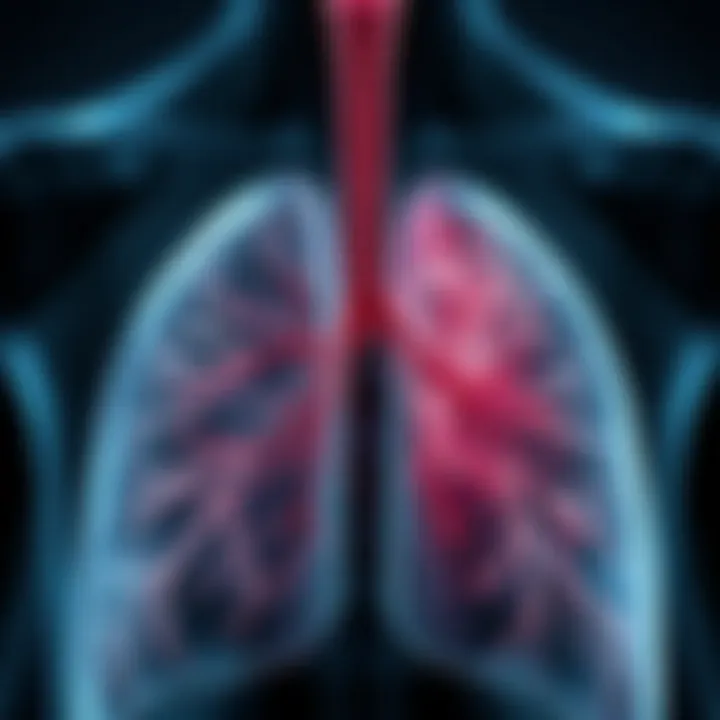
Interstitial lung disease (ILD) is a term that encapsulates a diverse array of pulmonary disorders which primarily affect the interstitium, the tissue and space around the air sacs of the lungs. This disturbance leads to an interplay of inflammation and fibrosis, sapping the lungs’ ability to oxygenate the blood effectively. The implications for those diagnosed with ILD can be substantial, prompting not only physical symptoms such as shortness of breath and persistent cough but also emotional weight as patients navigate the complexities of an often unforgiving disease.
Understanding the nuances of potential treatments for ILD is crucial, as no single therapy suits all patients. Each individual may present distinct clinical profiles, necessitating a tailored approach that considers both the specific diagnosis and the patient's overall health condition. The treatment landscape is continually evolving, with research discovering new therapeutic avenues that may soon redefine management protocols.
In this article, we delve into the various potential treatments for ILD, examining established therapies alongside emerging strategies backed by the most current research. Throughout this exploration, we will also highlight the importance of multidisciplinary care in optimizing outcomes for patients living with this challenging disease.
The need for a comprehensive framework that brings together the latest findings, clinical trials, and expert opinions is paramount. Individuals affected by ILD, along with their healthcare providers, will benefit from a nuanced understanding of treatment options, opening the door to discussions centered around informed, personalized care.
Intro to Interstitial Lung Disease
Understanding interstitial lung disease (ILD) is crucial for anyone involved in respiratory health, from students to seasoned professionals. As the range of conditions under the ILD umbrella can be quite vast, grasping the foundational aspects not only aids in diagnosis but also in exploring treatment pathways. With emerging therapies and novel approaches, the landscape surrounding ILD is shifting.
When discussing the topic, it's pertinent to consider what ILD is—a group of lung disorders characterized by inflammation and scarring of the lung interstitium. This definition lays the groundwork for grasping the significance of different treatment options available.
A solid understanding of ILD helps in several key areas:
- Diagnosis: Recognizing the symptoms early can lead to timely interventions.
- Treatment: Different types of ILDs require tailored treatment approaches, and knowing these ensures better patient outcomes.
- Research: Awareness of ILD contributes to ongoing clinical trials and research, leading to advancements in care.
In essence, the importance of understanding ILD cannot be overstated. It opens doors not only for medical professionals but also for patients seeking effective management options.
Definition and Overview of
Interstitial lung disease (ILD) comprises a plethora of disorders that primarily affect the lung interstitium—the tissue that supports the air sacs in the lungs. While the term ‘ILD’ may sound familiar, the diversity it encompasses is anything but simple. From idiopathic pulmonary fibrosis to sarcoidosis, the causes can range from environmental influences, like exposure to dusty conditions, to autoimmune diseases and family history.
To put it plainly, ILDs can lead to significant deterioration in lung function and ultimately result in persistent symptoms like shortness of breath. Understanding the specific characteristics of these conditions aids researchers and clinicians alike, bridging the gap between theory and practice.
Importance of Understanding
Recognizing the nuances of interstitial lung disease provides a comprehensive view that is essential for medical practice. Not only does it help in identifying conditions at an early stage but also fosters informed decision-making regarding the most effective treatment approaches.
Understanding ILD has several critical implications:
- Guiding Treatment Plans: With a clear comprehension of the various forms of ILD, healthcare providers can formulate more personalized therapy plans that cater to individual patient needs.
- Facilitating Multidisciplinary Care: Knowledge of ILD promotes collaboration among specialists, including pulmonologists, radiologists, and therapists, ensuring that management is holistic.
- Enhancing Patient Education: Grasping these conditions empowers patients to become active participants in their own care, leading to improved adherence to treatment regimens.
"A stitch in time saves nine." This adage holds true for ILD as early detection and understanding can mitigate more severe lung issues down the line.
Pathophysiology of Interstitial Lung Disease
The pathophysiology of interstitial lung disease (ILD) is pivotal for understanding how various treatment options work and their corresponding mechanisms. It lays the groundwork for appreciating not just the disease itself, but also the biological processes that end up causing symptoms and complications. Grasping these intricacies allows clinicians to tailor strategies that could potentially mitigate lung damage and improve patient outcomes.
Mechanisms Leading to Lung Injury
Understanding the mechanisms that lead to lung injury is crucial in ILD, as it helps pinpoint where interventions can occur. Generally, these mechanisms can be multifactorial, involving genetic predispositions, environmental factors, and immune responses. Here are some of the key players:
- Environmental Factors: Prolonged exposure to allergens, pollutants, and occupational hazards can initiate lung injury. For instance, something seemingly inconsequential like mold exposure can trigger significant inflammation in sensitive individuals.
- Autoimmune Diseases: Certain autoimmune conditions can inadvertently lead to ILD. For example, systemic sclerosis can cause fibrotic changes in the lungs, leading to dysfunction.
- Genetic Susceptibility: Variations in genes responsible for immune system regulation can enhance an individual's vulnerability to lung injury. Identifying these genetic markers may eventually shape future treatments tailored to specific patient populations.
The interplay between these mechanisms results in a cascade of events that eventually leads to lung parenchymal injury and progressive fibrosis. Note that while acute insults may heal and restore normal lung structure, chronic damage can result in irreversible changes, emphasizing the need for understanding these mechanisms thoroughly.
Role of Inflammation and Scarring
Inflammation is not just a consequence but rather a pivotal player in the development of ILD. Initially, the body's immune system attempts to respond to harmful stimuli, leading to inflammation in the lung interstitium. However, in a misguided effort to heal, this inflammatory response can spiral out of control, creating a vicious cycle of continued injury and scarring.
- Inflammatory Cells: Various types of immune cells, such as macrophages and lymphocytes, congregate in the lung tissue. These cells release cytokines that perpetuate inflammation, setting the stage for further lung injury.
- Fibrosis Development: As inflammation persists, fibroblasts are activated, leading to excessive collagen deposition and, consequently, lung scarring or fibrosis. This fibrotic lung tissue replaces healthy lung parenchyma, severely impacting lung function.
- Clinical Significance: The inflammation and subsequent scarring lead to the typical symptoms of ILD, such as a persistent dry cough and progressive dyspnea. Understanding this mechanism is essential for the development of therapeutic agents aimed at breaking the cycle of inflammation and fibrosis.
The key takeaway here is that the relationship between inflammation and scarring is not a mere footnote; it's at the core of ILD pathology. This understanding aids in identifying not only potential therapeutic targets but also guiding existing treatment protocols. For detailed information, consider exploring PubMed as a resource on current research in ILD.
Classification of Interstitial Lung Disease
Recognizing the diverse spectrum of interstitial lung disease (ILD) is vital for tailoring effective management strategies and improving patient outcomes. The classification of ILDs serves as the foundation for understanding their various presentations, underlying causes, and treatment options. This segmentation is not merely academic; it directly influences clinical decisions and therapeutic approaches. Distinguishing between idiopathic and secondary ILDs, as well as identifying common types of ILD, helps healthcare providers to prioritize intervention strategies and allocate resources more effectively.
Clinicians often encounter challenges when faced with the heterogeneous nature of ILDs. By categorizing these diseases, one can better navigate the complexities and subtleties inherent in patient cases. A clear understanding of ILD classifications enables healthcare professionals to provide tailored care. Treating these conditions often requires a multilayered strategy that considers the unique etiology and pathophysiology of each subtype.
Idiopathic vs. Secondary ILDs
The distinction between idiopathic and secondary ILDs is a pivotal element in the classification. Idiopathic ILDs, such as idiopathic pulmonary fibrosis, present without an identifiable cause, often leading to a diagnostic dilemma. The term "idiopathic" literally means unknown, driving home the uncertainty that surrounds these conditions. On the flip side, secondary ILDs arise from known causes like occupational exposures, infections, or associated systemic diseases. This knowledge is essential because it guides treatment and management strategies. For instance, in secondary ILDs, removing the triggering factor can halt disease progression, while idiopathic cases often require more complex therapeutic interventions.
Common Types of
Idiopathic Pulmonary Fibrosis
Idiopathic pulmonary fibrosis (IPF) represents one of the most prevalent and enigmatic forms of idiopathic ILD. Its hallmark is progressive lung scarring, leading to a gradual decline in pulmonary function. The primary characteristic of IPF is its relentless nature, demonstrated through a gradual increase in dyspnea and decreased exercise tolerance. What makes IPF a focal point in ILD discussions is not only its prevalence but also the challenges it poses in both diagnosis and treatment.
One unique feature of IPF is its poor prognosis. Unfortunately, it typically manifests in older adults and has a survival rate of around 3 to 5 years post-diagnosis without treatment. This grim outlook underscores the necessity for effective management strategies. The rise of antifibrotic agents such as nintedanib and pirfenidone provides vital new options for slowing disease progression. These treatments target the underlying mechanisms of fibrosis, marking a significant advance in the management of this crippling disease.
Nonspecific Interstitial Pneumonia
Nonspecific interstitial pneumonia (NSIP) is another type of ILD that contributes substantially to the broader discourse of lung diseases. Unlike IPF, NSIP is characterized by its non-specificity, meaning it can result from various underlying conditions, including autoimmune diseases. One key trait is the uniformity of lung injury, which can lead to improved prognoses relative to IPF.
The advantages of understanding NSIP lie in its often reversible nature. With appropriate treatment, particularly corticosteroids, many patients experience substantial symptom relief and improved lung function. This presents a more optimistic outlook for those diagnosed with NSIP compared to other forms of ILD, highlighting the need for distinguishing these disease processes.
Others
When discussing ILD, it’s essential to address other types that may not fit neatly within the idiopathic or secondary confines. This category includes conditions such as respiratory bronchiolitis-associated ILD, desquamative interstitial pneumonia, and hypersensitivity pneumonitis. These diseases often present specific challenges due to their varied etiologies and clinical courses.
A key characteristic of these 'Other' ILDs is their relationship with environmental factors and, in some cases, lifestyle choices. For instance, hypersensitivity pneumonitis is often triggered by organic dust exposure and can lead to chronic lung damage if not recognized early. The understanding of these nuanced forms of ILD greatly enriches the clinician’s toolkit, enabling more effective and individualized treatment plans.
Clinical Features and Diagnosis
Understanding the clinical features and the diagnosis of interstitial lung disease (ILD) is crucial in the journey towards effective treatment. It is through identifying these features that health care providers can measure the severity of the disease and create tailored management plans. Early diagnosis can significantly impact patient outcomes, making it a key focus in the entirety of foundational knowledge regarding ILD.
Symptoms of
Shortness of Breath
Shortness of breath, or dyspnea, sticks out as a defining symptom of ILD. Patients often find it challenging to catch their breath, especially during physical activity. This consequence of lung impairment can signal to both patients and physicians that further investigation is necessary. The distinctive feature here is that this symptom may gradually worsen over time, leading to increased difficulty in performing everyday tasks. Thus, it offers a clear indication of progressive lung damage, which is a pivotal focal point in this article on treatment.
Cough
Coughing might appear to be a mundane symptom, but in the context of ILD, it often serves as a critical alarm bell. Patients frequently describe a dry, persistent cough, which can exacerbate feelings of fatigue and helplessness. The significance of cough in ILD lies in its ability to disrupt daily life and signal underlying inflammation. It provides healthcare professionals with additional context regarding the severity of ILD and may guide subsequent investigative steps. However, it is essential to note that this type of cough can sometimes be mistaken for other conditions, which complicates effective diagnosis.
Fatigue
Fatigue is another commonly overlooked yet prominent feature of ILD. It often becomes an uninvited companion, severely affecting the quality of life. Unlike general tiredness, fatigue in ILD bears the hallmark of being overwhelmingly persistent and not easily alleviated by rest. Patients should be aware that this symptom is closely intertwined with the overall effectiveness of their lungs, and recognizing it is vital for discussions on potential therapies. The distinctive characteristic of fatigue lies in its multifaceted origins, linking not only to lung function but also to the psychological toll the disease can take.
Diagnostic Approaches
Imaging Techniques
Imaging techniques like high-resolution computed tomography (HRCT) scans are invaluable in diagnosing ILD. These methods provide a detailed view of lung structures, enabling physicians to pinpoint areas of abnormality. The unique characteristic of imaging techniques is their ability to reveal patterns of lung injury, which are unique to different types of ILDs. This precision assists in creating an accurate and early diagnosis, paving the way for timely treatment. However, it is essential to be mindful that imaging alone cannot offer a definitive diagnosis, underscoring the need for further examination.
Lung Biopsy
In some cases, a lung biopsy may be required to obtain definitive answers. This procedure involves taking a small sample of lung tissue for microscopic examination. The value of a lung biopsy lies in its ability to clarify ambiguous clinical cases by directly revealing lung pathology. It's a vital tool when other diagnostic methods falter. However, this technique isn’t without its downsides; it carries risks such as bleeding and infection, and thus it’s often reserved for specific situations where the benefit outweighs the potential harm.
Pulmonary Function Tests
Pulmonary function tests (PFTs) are essential for assessing how well the lungs are working. These tests evaluate lung capacity, airflow, and gas exchange efficiency. The key characteristic of PFTs is their ability to quantify the impact of ILD on lung function and track changes over time. By establishing clear benchmarks, healthcare providers can personalize treatment strategies. However, these tests alone cannot confirm a diagnosis. They must be interpreted in conjunction with clinical findings and other diagnostic methods for full context about the patient's condition.
Treatment Options for Interstitial Lung Disease
Understanding treatment options for interstitial lung disease (ILD) is pivotal, as these approaches directly influence patient outcomes and quality of life. The treatment landscape is ever-changing, presenting opportunities to identify strategies that could either slow disease progression or alleviate symptoms. Importantly, treatment isn't a one-size-fits-all endeavor. Various treatment modalities aim to address the distinct needs of diverse patient populations, considering factors such as underlying causes and individual characteristics.
In essence, a tailored approach to treatment options is necessary, utilizing both conventional and emerging therapies, alongside supportive care strategies. This not only optimizes the use of healthcare resources but also promotes collaboration among healthcare professionals for comprehensive patient management.
Conventional Therapies
Corticosteroids
Corticosteroids are among the most frequently used medications for ILD. They work by suppressing inflammation, which is a core component of many interstitial lung diseases. The key characteristic of corticosteroids, like prednisone, is their potency in quickly reducing symptoms and inflammation, making them a go-to choice in acute management scenarios.
However, while corticosteroids can be beneficial, they come with their own set of challenges. Prolonged use can result in side effects such as weight gain, osteoporosis, and increased susceptibility to infections. Hence, careful monitoring is essential when considering corticosteroids as part of the treatment plan.
Immunosuppressants


Immunosuppressants serve a crucial role in treating ILD by dampening the overactive immune response contributing to lung injury. Medications such as azathioprine and mycophenolate mofetil are common choices in this category. Their main advantage lies in their ability to target specific pathways involved in the inflammatory process, thus allowing for more tailored treatment strategies.
Nonetheless, immunosuppressants are not without drawbacks. The risk of severe infections due to a compromised immune system is a major concern, therefore, regular screening and proactive management of any infections become essential aspects of patient care.
Antifibrotic Agents
Antifibrotic agents, like pirfenidone and nintedanib, are designed to combat the fibrosis associated with certain types of ILD, such as idiopathic pulmonary fibrosis. Their unique feature is in their ability to slow the progression of lung scarring, thereby improving lung function over time. This is particularly beneficial for patients with progressive symptoms who may not respond well to traditional therapies.
However, these agents can result in gastrointestinal side effects, which can affect patient adherence to treatment. The balance between managing side effects and optimizing therapeutic benefit is crucial in terms of achieving longer-term patient health outcomes.
Emerging Therapies
Novel Drugs in Clinical Trials
The future of ILD treatment is promising, courtesy of novel drugs currently in clinical trials. These investigational therapies often target pathways that were previously unexplored in the context of interstitial lung disease, potentially paving the way for breakthroughs in patient management.
Among notable characteristics is the objective of precision medicine, tailor-making treatments to address the underlying mechanisms of disease more proactively. However, as these therapies are not yet approved, their availability remains limited, and their long-term effects are still largely unknown.
Genetic and Cellular Therapies
Genetic and cellular therapies represent the forefront of medical innovation, aiming to correct or modify genetic anomalies contributing to ILD. This realm is particularly intriguing because it holds promise not just for symptom management, but potentially for reversing damage at the molecular level.
Although this avenue is still very much in the experimental stage, it captures attention and hope. Nevertheless, challenges such as ethical considerations and treatment accessibility loom large, making the path to mainstream application intricate.
Potential for Personalized Medicine
Personalized medicine is an evolving concept that tailors treatment strategies to the individual characteristics of each patient. By assessing genetic, environmental, and lifestyle factors, healthcare providers can make informed choices regarding the most effective treatment options. This approach enables healthcare professionals to design individualized treatment plans that may yield better outcomes.
However, implementing personalized medicine comes with challenges, such as the need for comprehensive genomic profiling and the economic implications for both providers and patients.
Supportive Care Approaches
Oxygen Therapy
Oxygen therapy plays a vital and often immediate role in the management of ILD, particularly for patients facing significant shortness of breath. By providing supplemental oxygen, healthcare providers can improve oxygen saturation levels, thereby enhancing overall quality of life.
Its main advantage is the alleviation of symptoms, which can substantially contribute to daily living activities. However, while it offers relief, it's essential to remember that it does not address the underlying disease processes.
Pulmonary Rehabilitation
Pulmonary rehabilitation encompasses a structured program of exercise, education, and support designed to improve the physical and emotional condition of patients with lung diseases. It helps optimize physical functioning and assists patients in learning effective breathing techniques.
The unique selling point of this strategy is its multifaceted approach, which includes not only physical rehabilitation but also psychological support. Nevertheless, access to pulmonary rehabilitation can vary, affecting the equitable distribution of its benefits.
Palliative Care
Palliative care is aimed at improving the quality of life for patients suffering from serious illnesses like ILD. It focuses on providing relief from symptoms and stress of the disease. Its essence lies in the holistic approach, addressing not just the physical but also the emotional and psychological needs of patients.
The critical characteristic of palliative care is its adaptability; it can be integrated at any stage of the disease process, not just in the end-of-life context. However, misconceptions about palliative care—that it’s synonymous with end-of-life care—could hinder broader acceptance and implementation.
In summary, the treatment options for interstitial lung disease are diverse and evolving, reflecting the complexities of the disease itself. Understanding these modalities allows for informed decision-making not only for patients but also for healthcare providers, ensuring a comprehensive approach to management.
Multidisciplinary Management of
Effective management of interstitial lung disease (ILD) demands a complex strategy involving various healthcare professionals. This multifaceted approach is crucial, as the disease itself can affect multiple aspects of a patient’s health, causing a range of symptoms that might require different expertise. Collaborating within a multidisciplinary team not only enhances knowledge-sharing but also ensures comprehensive care tailored to the unique needs of each patient. By fostering communication between providers, the team can address the various dimensions of patient care, including diagnostics, treatment options, and supportive measures.
One significant benefit of this management strategy lies in its potential to improve patient outcomes. When primary care physicians, specialists, and allied healthcare providers collaborate, they can catch subtle changes in a patient's condition, allowing for timely adjustments in treatment plans. This integrative approach can result in a more holistic understanding of the patient's health challenges and lead to a more favorable prognosis.
Role of Primary Care Physicians
Primary care physicians stand at the forefront of patient interaction, often serving as the first point of contact for individuals grappling with the symptoms of ILD. Their comprehensive understanding of a patient's medical history is invaluable. They are uniquely positioned to initiate the evaluation for ILD, recommend diagnostic tests, and, when necessary, refer patients to specialized care.
Furthermore, these physicians play a vital role in the long-term management of the disease, monitoring ongoing symptoms, providing education about self-care, and addressing any psychological impacts, such as anxiety or depression, which can emerge alongside chronic illness. Their familiarity with the patient's overall health allows them to coordinate effectively with specialists, ensuring continuity of care and proper follow-up.
Importance of Specialist Involvement
Specialist involvement is pivotal in managing ILD, as these experts bring targeted knowledge that is essential for accurate diagnosis and effective treatment plans. Each specialist contributes a critical piece of the puzzle, leading to a more rounded approach to patient care.
Pulmonologists
Pulmonologists are at the heart of ILD management. Their deep expertise in respiratory diseases enables them to interpret complex lung function tests and imaging studies accurately. Often the first specialists to diagnose ILD, they are instrumental in differentiating between the various subtypes of the disease, which is crucial for determining appropriate therapy.
One key characteristic of pulmonologists is their ability to perform and interpret lung biopsies, which can reveal critical information about lung tissue and inflammation patterns. However, their management might sometimes be constrained by the nuances of individual patient's responses to treatment, necessitating close collaboration with other specialists.
Radiologists
Radiologists play a complementary but equally significant role in managing ILD. Their specialized training in imaging helps them identify subtle changes in lung architecture that may go unnoticed. High-resolution computed tomography (HRCT) scans are essential tools in this regard, providing detailed images that assist in diagnosing and evaluating disease severity.
A primary advantage of involving radiologists is their expertise in discerning patterns consistent with specific ILDs, guiding the pulmonologist in therapy decisions. Yet, reliance solely on imaging can sometimes lead to misinterpretations, underscoring the necessity for a collaborative dialogue among specialists.
Pathologists
Pathologists contribute by providing histopathological evaluations through lung biopsies, which often play an essential role in confirming the diagnosis. Their deep understanding of lung tissue specimens allows for the identification of fibrosis and inflammatory processes. Pathologists can differentiate between benign and malignant changes, which is crucial for determining treatment options.
By obtaining insights into the microscopic pathology of lung conditions, they help refine the diagnosis and guide therapeutic strategies. However, their work relies heavily on the quality of samples, and there can be variability in how specimens are procured and processed.
"In a field as intricate as interstitial lung disease, the interplay between primary care and specialty providers creates a foundation for effective management."
Ultimately, the success of managing ILD hinges on this collaborative approach. By bringing together diverse viewpoints and expertise, the multidisciplinary team can face the challenges of ILD head-on, paving the way for improved patient care and outcomes.
Challenges in Treating
Interstitial lung disease (ILD) presents a unique set of challenges for healthcare professionals. These challenges not only complicate diagnosis and treatment but also affect the overall management and outcomes for patients. Understanding these difficulties is paramount for developing effective strategies aimed at improving care and maximizing patient quality of life.
One significant hurdle in treating ILD is the variability in disease presentation. Each patient is unique, and ILD can manifest in numerous forms, often mimicking other pulmonary or systemic conditions. This means that diagnostic accuracy is essential yet difficult to achieve. Physicians may find themselves navigating a maze of symptoms that don’t always correlate with the extent of lung damage. For instance, two patients may present with similar symptoms, yet one could have a mild case while the other may be suffering from advanced fibrosis. The clinical variability complicates the establishment of standardized treatment protocols, which can lead to inconsistent application of therapies.
Variability in Disease Presentation
The manifestations of ILD can range widely, making it tricky for clinicians to pinpoint the condition promptly. Some of the factors that influence this variability include:
- Underlying Causes: Different types of ILD—be it idiopathic pulmonary fibrosis or sarcoidosis—have distinct paths of progression, and recognizing these can be like piecing together a jigsaw puzzle.
- Patient Demographics: Age, gender, genetic predispositions, and pre-existing health conditions all play roles in how ILD develops and progresses.
- Environmental Factors: Exposure to pollutants, allergens, or occupational hazards can further skew the clinical picture.
Given these facets, the risk of misdiagnosis looms large. This can often lead to inappropriate treatments being administered, potentially exacerbating the disease.
Limitations of Current Treatments
While there are therapies available for ILD, they are not without their limitations. Some of the notable issues include:
- Efficacy: Not every patient will respond to treatments such as corticosteroids or immunosuppressants. What works wonders for one person may not lift a finger for another. This disparity underscores the necessity for personalized treatment regimens tailored to each individual's unique condition.
- Side Effects: The potential adverse effects of current therapies can be daunting. From weight gain to increased risk of infections, the side effects sometimes outweigh the benefits. Patients may find themselves caught between managing the illness and dealing with the complications that arise from treatment.
- Lack of Curative Options: As it stands, many treatments are aimed at slowing disease progression rather than curing it. The reality for numerous individuals grappling with ILD is that they may have to live with the knowledge that current options involve care rather than cure.
- Research Gaps: Although research is advancing at a brisk pace, there are still gaps when it comes to understanding which patient subgroups may benefit from which therapies. The evidence base needs to catch up with the clinical needs of patients.
"The treatment journey for ILD patients is often a winding road filled with unexpected curves."
By grappling with these challenges, healthcare providers can begin to formulate better, more effective treatment strategies that take into account the complexities of patient presentation and limitations in current therapies.
Future Directions in Research
As we grapple with the complexities of interstitial lung disease (ILD), the future directions in research are a beacon guiding us toward better treatment and management strategies. The importance of this topic cannot be overstated; ongoing research is crucial to advancing our understanding of ILD, which in turn directly affects how we treat it. With evolving therapies and innovative methodologies on the horizon, the possibilities for improved patient outcomes are becoming increasingly promising.
Research into ILD not only focuses on traditional treatment methods but also paves the way for groundbreaking therapies that could transform patient care. There's a growing emphasis on personalized medicine tailored to individual patient profiles, which can help address the variability in responses to existing treatments. Through meticulous research, medical professionals can pinpoint precision therapies that might vastly improve quality of life for patients.
Innovative Therapies in Development
The realm of innovative therapies for ILD is burgeoning with potential. For instance, researchers are actively exploring targeted biological therapies that can intervene at the molecular level, potentially stalling disease progression. These therapies could directly target the pathways responsible for inflammation and fibrosis, thereby offering an alternative to conventional therapies, which often have systemic side effects.
Gene therapy is another promising avenue under exploration, aiming to correct dysfunctional genes involved in lung pathology. Through advancements in nanotechnology, there is also an interest in using nanoparticles to deliver drugs directly to the lungs, reducing systemic exposure and enhancing treatment efficacy. Such innovations suggest a future where treatment is not just about managing symptoms, but fundamentally altering the disease trajectory.
"The horizon of ILD treatment is expanding; innovative therapies offer hope for meaningful outcomes."
Importance of Clinical Research
Clinical research is the backbone of advancements in ILD treatment. It allows for a systemic evaluation of new therapies, ensuring their safety and efficacy before they become available on a broader scale. By engaging in rigorous studies, the medical community gains insights not only into what works but also into what does not, thereby refining treatment strategies.
Randomized Trials
Randomized trials stand as a gold standard in clinical research. The key characteristic of randomized trials is their ability to eliminate bias, providing a clear comparison between treatment and control groups. This approach is particularly valuable in ILD research, as it can definitively identify which therapies can yield significant benefits. Moreover, randomized trials often highlight patient experiences, allowing researchers to understand how new treatments impact quality of life—a crucial consideration in chronic diseases like ILD.
However, the unique feature of randomized trials is also a limitation; they may not always reflect real-world patient populations due to strict eligibility criteria. This can result in findings that may not be applicable to a broader audience, thus highlighting the need for complementary studies such as pragmatic trials.
Longitudinal Studies
On the other hand, longitudinal studies provide a different kind of insight. By following a group of patients over time, these studies can track long-term outcomes and the natural progression of ILD. The key characteristic of longitudinal studies is their capacity to observe changes and effects within the same individuals, which can yield more personalized insights on how treatments perform in diverse populations.
One unique feature of these studies is their ability to identify risk factors and outcomes related to disease progression. While this gives valuable context to treatment efficacy, it can also be resource-intensive and may require extensive follow-up periods which could be a disadvantage in fast-paced research environments.