
Understanding Night Sweats: Causes and Management
Intro
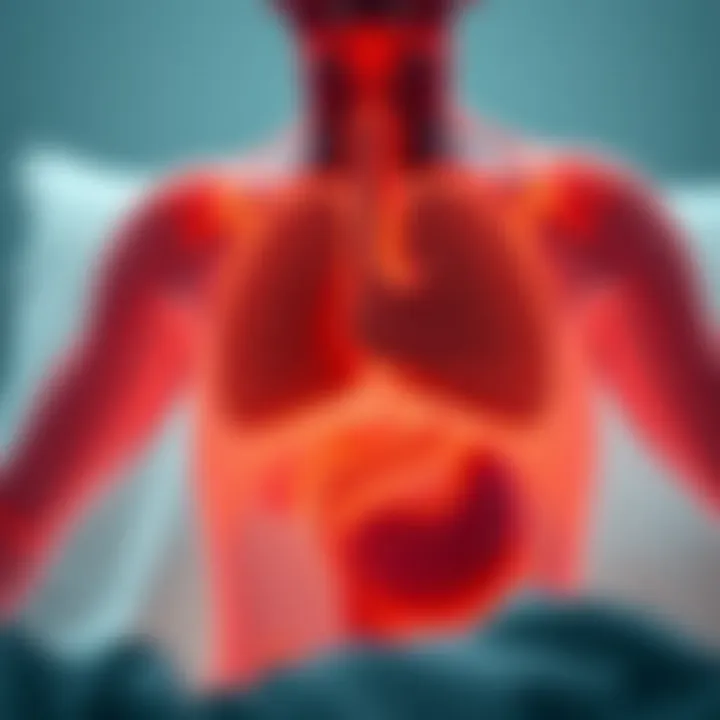
Night sweats can be a puzzling yet common occurrence that leads many individuals to toss and turn in the dark. They may wake up feeling drenched, leading to confusion and concern about their underlying cause. In understanding this phenomenon, it is crucial to grasp not only the various triggers involved but also the day-to-day implications on health and wellbeing.
For many, this issue becomes not just a nightly nuisance but a signal that something deeper may be at play. Menopausal women, for example, often experience night sweats due to hormonal changes. However, this symptom can also affect people dealing with certain medical conditions or medications. Getting to the root of the matter can empower individuals to navigate their experience effectively and seek appropriate support.
By diving deep into the potential causes and treatment options for night sweats, this exploration will serve to elucidate the complexities surrounding this often-misunderstood phenomenon. The aim is to provide tangible insights and practical management strategies that resonate with diverse demographics, ultimately fostering a better understanding of this poignant topic.
Defining Night Sweats
Understanding night sweats is crucial as it lays the foundation for recognizing how this condition affects various aspects of health. This section will delve into the definition and physiological underpinnings of night sweats, enhancing our understanding of a phenomenon that often leaves individuals puzzled and uncomfortable. By examining what constitutes night sweats and why they occur, the article can offer readers clarity and insight into potential solutions.
What are Night Sweats?
Night sweats, while common, can be quite distressing. To put it simply, they refer to excessive sweating during sleep that soaks pajamas and bedding, often disrupting the sleep cycle. This phenomenon isn't merely caused by an overheated bedroom or heavy blankets; it frequently points to underlying issues. Night sweats can be categorized into two types: primary and secondary. Primary night sweats are typically linked to independent conditions such as hyperhidrosis, while secondary night sweats often indicate hormonal imbalances, infections, or certain medications. For many people, identifying night sweats involves discerning the frequency and intensity of episodes, which can help in diagnosing any underlying medical conditions.
Physiological Mechanisms
Understanding the physiological mechanisms that contribute to night sweats provides a wealth of knowledge about body regulation. This section will highlight two critical aspects—body temperature regulation and the role of the hypothalamus—to grasp the biological processes at play during these episodes.
Body Temperature Regulation
The body's ability to maintain an optimal temperature is central to overall health. Typically, the human body regulates temperature through a intricate balance of heat production and heat loss. This system involves blood flow, sweating, and even behavior adjustments like seeking cooler environments. One key characteristic of body temperature regulation is its sensitivity to fluctuations in the surroundings or internal states. When the body perceives a disturbance—be it an illness, medication effects, or hormone shifts—it may trigger night sweats as a response to mitigate perceived overheating.
This mechanism serves a beneficial purpose, as it helps maintain homeostasis. For example, if a person is dealing with a fever, the body ramps up sweating while the hypothalamus signals to cool down. However, a drawback arises when this system goes awry, leading to unnecessary night sweats that can significantly disrupt sleep.
Hypothalamus Functionality
The hypothalamus plays an essential role in regulating body temperature and other autonomic functions. Think of it as the body's thermostat. This small but mighty brain region receives input signaling body temperatures and then responds accordingly—releasing hormones that can either raise or lower temperature. The interplay of various chemical messengers, such as norepinephrine and prostaglandins, contributes to the complexity of temperature control.
A standout feature of hypothalamus functionality is its responsiveness to hormonal fluctuations. This characteristic is especially relevant to various life stages, such as menopause or puberty, where hormonal shifts can trigger night sweats. While the proper functionality of the hypothalamus is essential for thermoregulation, issues like dysregulation or diseases affecting this region can lead to problems, such as sleep disturbances associated with excessive sweating.
In summary, defining night sweats encompasses recognizing their significance as more than just a sleep disruptor. It involves understanding the biological systems that can trigger them and acknowledging their impact on quality of life. The nuances of physiological mechanisms underscore the complexity of night sweats, paving the way for a more detailed investigation into their causes and impacts.
Common Causes of Night Sweats
Understanding the multifaceted nature of night sweats requires diving into various causes. Identifying these common triggers is essential not just for those experiencing this condition, but also for healthcare professionals and loved ones who want to support those affected. Recognizing the underlying reasons can make a world of difference in treatment plans and individual coping strategies.
Hormonal Changes
Menopausal Transition
The menopausal transition is a significant physiological change that affects women primarily in their late forties or early fifties. During this time, fluctuating estrogen levels play a pivotal role in the onset of night sweats. The hormonal imbalances can lead to what many refer to as "hot flashes", which may creep up unexpectedly, even in the dead of night. This is especially crucial since many women might feel isolated in their experience, thinking they're the only ones tossing and turning under the sheets drenched in sweat.
The menopausal transition serves as a conduit for not just physical changes, but emotional shifts as well, marking a time of both challenge and adaptation.
Thyroid Disorders
Next on the docket are thyroid disorders, which can lead to night sweats. An overactive thyroid, or hyperthyroidism, can ramp up metabolism, causing excessive sweating even during calm moments. This can be quite confusing since patients might not link their race for the ceiling fan to their thyroid health. In this article, understanding thyroid disorders is beneficial; it illuminates the relationship between endocrine health and symptomatology. Thyroid-related night sweats can also provide a crucial window into treating underlying metabolic conditions.
Medical Conditions
Hyperhidrosis
Hyperhidrosis stands out as a condition characterized by excessive sweating not driven by heat or exertion. For those grappling with this condition, night sweats can become an unfortunate nightly visitor. Understanding hyperhidrosis provides insight into its origins, often linked to genetic predisposition or secondary to other health problems. The ability to identify this underlying cause is advantageous for effective management, allowing individuals to seek specific interventions that might substantially improve their quality of life.
Chronic Infections
Chronic infections, such as tuberculosis or HIV, might not be the most pleasant topic, but they warrant attention within the realm of night sweats. These infections can elicit a range of systemic symptoms, night sweats included. The body’s fight against chronic infections can ignite fever responses, with profuse sweating as a side effect. Within this article, we emphasize the need for awareness - not only does it highlight the complexity of health-related issues, but it urges individuals to seek proper healthcare when experiencing such symptoms.
Malignancies
Malignancies, while daunting, are important to discuss when considering common causes of night sweats. Certain cancers, especially lymphomas, are notorious for introducing night sweats into the equation. This unique feature becomes a potential early warning sign for individuals, nudging them to pay closer attention to their bodies. Understanding this connection underscores the critical importance of thorough medical evaluations when experiencing unexplained symptoms.
Medications and Treatments
Antidepressants
A not often-acknowledged cause of night sweats are antidepressants. Various classes of these medications can interfere with the body's normal temperature regulation, leading to sweaty nights. Understanding the role of antidepressants helps individuals navigate the intricacies of mental health treatment and its physical manifestations. Recognizing this link also supports meaningful conversations with healthcare providers regarding potential adjustments or alternatives to mitigate side effects.
Steroids


Lastly, steroids, often used to treat numerous conditions from asthma to autoimmune diseases, can induce profound changes in metabolism and hormonal balance. Sweating, including night sweats, can be an unwelcoming side effect of long-term steroid use. This is essential information, signaling a need for patients to have open dialogues with their healthcare teams about balancing benefits against side effects.
In summary, pinpointing the common causes of night sweats—from hormonal fluctuations and medical conditions to medications—facilitates a deeper understanding of the issue. This knowledge serves as a foundation for effective management strategies and reinforces the importance of addressing personal health comprehensively.
Identifying Symptoms of Night Sweats
Recognizing the symptoms associated with night sweats is paramount in understanding this condition. Night sweats don't merely signal a temperature spike; they can provide critical insights into underlying health issues. By honing in on the nature of sweating episodes and identifying associated symptoms, individuals can navigate their options for addressing this often troublesome experience. Grasping these elements enables informed conversations with healthcare professionals and encourages proactive management strategies.
Nature of Sweating Episodes
Drenching Sweats
Drenching sweats stand out for their intensity and prevalence among those experiencing night sweats. These episodes can leave bedding and clothing soaked, which is not just uncomfortable but can also disrupt sleep. A primary feature of drenching sweats is their timing—often occurring during rapid eye movement (REM) sleep. During this stage, the body undergoes significant physiological changes, amplifying the chances of heavy sweating.
Understanding drenching sweats is beneficial as it points to possible hormonal imbalances or other factors that need attention.
One unique aspect is their unpredictable occurrence; some individuals may experience them repeatedly, while others might have them sporadically. This unpredictability can be both a discomfort and a source of anxiety, potentially impacting overall quality of life.
Sleeping Environment Factors
When evaluating night sweats, assessing sleeping environment factors becomes essential. External conditions, such as room temperature and humidity, play a crucial role in how the body cools down at night. A hot or poorly ventilated bedroom can exacerbate the likelihood of sweating episodes, making it difficult for individuals to get a good night’s rest.
A key characteristic of the sleeping environment is that minor adjustments can lead to considerable relief. For instance, adjusting thermostat settings or using moisture-wicking sheets can significantly enhance comfort during sleep. However, while optimizing the environment can alleviate symptoms, it may not address the underlying cause of night sweats, which can often stem from medical conditions or hormonal changes.
Associated Symptoms
Nighttime Disruptions
Nighttime disruptions, including waking up multiple times drenched in sweat, add another layer of complexity to the experience of night sweats. These disruptions are significant, as they do not just interrupt sleep but can leave individuals feeling groggy and fatigued during the day.
A defining characteristic of nighttime disruptions is their frequency and impact. Frequent awakenings disrupt sleep cycles, leading to cognitive impairment and reduced concentration. Understanding how these disruptions manifest allows individuals to seek appropriate interventions, be it lifestyle changes or medical assessments.
On the flip side, some individuals may underestimate the extent of nighttime disruptions, thinking they can manage without addressing them. Ignoring these signs could result in chronic fatigue and increased emotional distress.
Emotional Impact
Emotional impact is another nuanced area overlooked when discussing the effects of night sweats. Individuals dealing with frequent night sweats may experience heightened anxiety or stress, exacerbating their condition. The worry about not getting adequate sleep or the fear of sweating excessively can lead to less restful nights and contribute to a cycle of stress.
The complexity of emotional responses associated with night sweats complicates conversations surrounding the condition. It’s not merely a physical symptom; it’s intertwined with mental health, affecting daily functioning and overall emotional well-being. This aspect underscores the importance of tackling both physical and emotional dimensions when addressing night sweats.
Understanding and identifying symptoms of night sweats is crucial for tailored management plans that consider both physical comfort and emotional health.
Night Sweats Across Demographics
Understanding the differences in how night sweats manifest across various demographics is key to a comprehensive discussion about the phenomenon. Women and men experience night sweats due to distinct physiological and hormonal factors that can shape their health experiences. By examining these elements, this section aims to equip the reader with the necessary knowledge to understand the implications of night sweats on both men and women, as well as broader social and psychological aspects.
Night Sweats in Women
Menopause
Menopause represents a pivotal transition in a woman's life that significantly impacts her physiological well-being. Among the many changes undergone, hormonal fluctuation is paramount, particularly the decrease in estrogen levels. This reduction can lead to an array of symptoms, including hot flashes and night sweats, which can disrupt sleep patterns and quality.
The characteristic of menopause that stands out in relation to night sweats is the intensity of hormonal imbalance, which peaks during this transitional phase. Women navigating this chapter often find night sweats not just a mild annoyance but quite debilitating. The unique feature here is that while menopause is an inevitable life stage for women, it opens the door for lifestyle adaptations and medical interventions aimed at alleviating night sweats.
Prioritizing understanding in this article allows women to seek appropriate help, promoting wellness during what can be a particularly challenging phase.
Pregnancy
With pregnancy, women undergo numerous hormonal changes, such as surges in progesterone and estrogen, which contribute significantly to night sweats. In this context, night sweats can occur more frequently due to increased metabolism and blood flow. The key characteristic during pregnancy is the body’s heightened need for thermoregulation, which makes night sweats feel like a common companion.
The unique aspect of night sweats during pregnancy is that while they are often temporary, they can add to the fatigue and discomfort that accompany gestation. However, recognizing this symptom offers expectant mothers a chance to manage it with sound strategies, such as optimal sleep environments and hydration adjustments—benefits that are discussed thoroughly in this article.
Pregnancy-related night sweats highlight the need for understanding and vigilance during what is both an exciting and challenging time.
Night Sweats in Men
Testosterone Imbalances
In men, a significant factor for night sweats often lies within testosterone levels. As men age, it’s common to experience a decline in testosterone, which can lead to various symptoms, including increased perspiration at night. This aspect is essential because it illustrates how hormonal changes can manifest differently in men, distinct from women’s experiences.
The key characteristic tied to testosterone imbalances is the impact on overall health. Night sweats become not just a symptom but an indicator of possible underlying hormonal issues. It rounds out the narrative of how adaptability and monitoring one’s health can lead to better management of night sweats, underscoring the necessity of addressing these changes proactively during doctor visits.
Underlying Conditions
Various medical conditions can also contribute to night sweats in men, including infections, autoimmune disorders, and even certain cancers. This highlights a critical aspect of understanding night sweats: they may often signal more serious health issues at play. This consideration is why recognizing night sweats in men is not merely about coping but rather about exploring diagnostic avenues.
The feature of underlying conditions is that they can spur added complications. By linking these conditions to night sweats, we emphasize the importance of obtaining medical advice and intervention. This conversation within the article helps demystify the physiological intricacies of men's health, promoting a proactive approach towards their well-being.
Diagnosis of Night Sweats
Diagnosing night sweats can often feel like navigating a maze, but understanding this process is vital for effective management and resolution. This section will focus on critical aspects that need consideration when faced with this condition. The diagnostic approach ensures that underlying health issues are not just overlooked but addressed promptly. This exploration not only benefits the individual suffering from night sweats but also aids healthcare providers in offering accurate treatment plans based on comprehensive assessments.
Clinical Assessment
Patient History
Taking a detailed patient history serves as the backbone of diagnosing night sweats. This step allows healthcare professionals to glean insights about the frequency and intensity of the sweating episodes. One key characteristic of patient history is its ability to uncover patterns. For instance, observing if night sweats are sporadic or linked to specific times can reveal significant clues. This could lead to identifying potential triggers, such as certain foods, medications, or stressors.
Additionally, patient history pertains to any recently diagnosed conditions or medications that might influence sweating. This makes it a popular choice in medical assessments because it offers a holistic view of the individual's health.
However, while patient history is incredibly informative, it’s essential to acknowledge its limitations. Some individuals might not clearly remember episodes or might underestimate the severity of their symptoms. This subjective aspect can be a drawback, potentially obscuring the full picture of one's health status.
Physical Examination
A physical examination complements the patient history. This hands-on assessment can reveal symptoms not readily available through history alone, such as skin conditions or signs of dehydration. A vital characteristic of physical examination is that it allows clinicians to gauge overall health and identify observable symptoms that could be contributing to night sweats.
The insights gained from this examination make it a practical choice for tackling the issue of night sweats head-on. Some unique features of a physical exam include checking vital signs and evaluating body temperature during the visit. This can highlight abnormalities, providing crucial information for further diagnostic pathways.
That said, the physical examination also carries some drawbacks. It might not capture all nuances of what’s happening internally, particularly if the sweating episodes occur intermittently and the patient does not present symptoms at the time of the exam.
Diagnostic Testing
Blood Tests
Blood tests are a cornerstone of diagnosing night sweats, as they can reveal a wealth of information about one’s health. These tests can identify hormonal imbalances, infections, and other underlying conditions. A significant aspect of blood tests is their ability to provide objective data that can corroborate the information from the patient history and examination. The specificity of various blood tests makes them a reliable choice for discerning specific issues that may lead to night sweats.
Moreover, hormonal levels can be especially telling, particularly in cases involving menopause or thyroid disorders. However, while blood tests are quite informative, their uniqueness can sometimes lead to confusion if results are borderline, requiring further investigation for a comprehensive understanding.
Imaging Studies
Imaging studies, like X-rays or CT scans, play an important role as well, typically employed when underlying structural issues or malignancies are suspected. A key characteristic of imaging studies is their capability to visualize the body’s internal structures beautifully. This helps in ruling out serious conditions that could be causing night sweats.
One notable advantage of imaging studies is their ability to detect abnormalities that other tests might miss. For instance, they can reveal signs of infection or tumor development that might contribute to the patient's symptoms. On the flip side, imaging does come with inherent drawbacks. The reliance on these tests can sometimes lead to unnecessary anxiety for patients, particularly when waiting for results or dealing with the financial implications of scans.
Management Strategies for Night Sweats
Addressing night sweats is crucial not just for comfort, but also for an overall improved quality of life. A good plan is not just about managing the symptoms; it’s about understanding the underlying patterns and making meaningful changes to cope better. By focusing on both lifestyle and medical strategies, individuals can find relief that caters to their unique situations.
Lifestyle Adjustments
Sleep Environment Optimization
Optimizing your sleep environment can be a game-changer when dealing with night sweats. This doesn’t merely entail adjusting the thermostat. It’s about creating a sanctuary that encourages restful sleep while battling those unwelcome episodes of overheating. Key elements might include good ventilation, breathable bedding, and choosing sleepwear made of natural fibers. Cotton pajamas can be a beneficial choice because they wick away moisture, allowing for a more comfortable nights rest.
A unique feature of optimizing for sleep relates to the use of white noise machines or humidifiers. While some might find silence disturbingly loud, these devices can help mask noise distractions and balance room humidity, potentially reducing the frequency and intensity of night sweats.
There are some considerations to keep in mind. What works wonders for one might not for another, as individual preferences come into play. Not everyone likes the same temperature or weight of blankets. Therefore, trial and error becomes a part of the journey.
Dietary Changes
Dietary modifications can also play a significant role in mitigating night sweats. Consuming certain foods or beverages can induce sweat production, making it vital to evaluate what goes on the plate. Capsaicin-rich foods like chili peppers or caffeine might be culprits to avoid if night sweats are a concern. Instead, emphasizing hydration and consuming more cooling foods such as fruits and vegetables can be effective.
The uniqueness of dietary changes lies in its holistic approach. While immediate results might not be visible, the long-term benefits of sustained consumption of nutrient-rich foods can have a profound impact on overall health. Ingredients like flaxseeds or chamomile tea are often hailed for their anti-inflammatory properties which can contribute positively.
Of course, make sure that dietary changes align with individual health needs. It’s wise to consult with a healthcare professional to tailor these changes effectively, ensuring that no essential nutrients are missed.
Medical Interventions
Hormonal Therapies
Hormonal therapies represent a distinguished approach in managing night sweats, especially for women undergoing menopause. These treatments aim to stabilize hormone levels that fluctuate significantly during this transitional phase. Estrogen replacement therapy can be particularly effective, working by balancing the body's natural hormones, thus reducing the frequency and severity of episodes.
The appeal of hormonal therapies lies in their ability to address not only physical symptoms but also psychological ones. Many women report that feeling comfortable at night contributes significantly to their mental well-being. However, weighing the pros and cons is essential, as some users might experience side effects, which can range from mild to severe.
Alternative Medications
When traditional methods fall short, alternative medications can provide solace. These range from herbal supplements to prescribed medications, and can work by stabilizing the autonomic nervous system. Gabapentin is one example that’s become popular for reducing overheating episodes.


What sets alternative medications apart is their varied mechanisms of action. For instance, herbal solutions such as black cohosh have been noted for their ability to alleviate menopausal symptoms, including night sweats. While they may seem like a less invasive choice, potential interactions with other medications should not be overlooked. This highlights the importance of thorough discussion with a healthcare provider before making any changes in pharmaceutical routines.
Effective management of night sweats often requires a comprehensive approach; understanding both lifestyle adjustments and medical interventions allows individuals to create a tailored strategy that works for them.
Through these multifaceted strategies, individuals grappling with night sweats can find meaningful relief and regain control over their nightly rest. Whether exploring simple changes like optimizing one’s sleep environment or diving into medical therapies, awareness and education form the bedrock of effective management.
The Psychological Impact of Night Sweats
Night sweats do not just affect the body; they also take a significant toll on psychological well-being. For many people, the experience can lead to heightened anxiety and frustration, especially when sleep is disrupted. This presents a unique challenge, as the very act of sleeping should ideally contribute to mental restoration. Instead, for those facing recurrent night sweats, sleep often becomes a source of apprehension.
The importance of addressing the psychological impact of night sweats in this article lies in fostering a holistic understanding. Recognizing how these experiences influence one's mental state can lead to better strategies for managing both physical and emotional symptoms.
Emotional Well-Being
Living with night sweats can trigger a range of emotional responses. Individuals may feel embarrassed or self-conscious about their condition, especially if it affects intimacy or social situations. The lack of restful sleep can worsen these feelings, creating a cycle of distress. For many, the discomfort caused by waking up drenched in sweat alters their mood, leading to irritability or general dissatisfaction.
Stress levels rise when individuals are uncertain about the underlying causes of their night sweats. This anxiety can manifest as worry over serious health conditions which they fear might be the cause. It is not uncommon for people to experience feelings of helplessness or despair when faced with nights of discomfort and fatigue. The emotional burden can feel overwhelming.
Coping Mechanisms
To combat the psychological strain that comes with night sweats, various coping mechanisms can be employed. Here are a few strategies that have shown promise:
- Open Dialogue: Discussing one’s condition with close friends or family can help alleviate feelings of isolation. Many people find comfort in knowing they are not alone in their experiences.
- Relaxation Techniques: Practices such as meditation, yoga, or deep breathing exercises can significantly reduce stress levels and promote a sense of calm.
- Sleep Hygiene: Maintaining a consistent sleep schedule and creating a soothing sleep environment can improve overall sleep quality. This includes regulating room temperature, using breathable fabrics, and minimizing screen time before bed.
- Professional Support: Seeking advice from mental health professionals can be beneficial. Therapy can offer guidance and tools for managing anxiety related to night sweats.
- Journaling: Keeping a journal to record thoughts and feelings associated with night sweats can provide insight into triggers and patterns. Reflecting on these can be a powerful way to process emotions.
"Coping with night sweats is about more than just managing the physical symptoms; it’s about addressing the emotional and psychological ramifications as well."
By recognizing the intricate interplay between night sweats and mental health, individuals can take proactive steps to reclaim their sense of well-being. Managing both the symptoms and the emotional impact can lead to an improved quality of life.
Prevention of Night Sweats
Preventing night sweats is crucial for those affected by this condition, as it can have a significant impact on quality of life. Identifying preventive strategies holds the potential not only to alleviate the discomfort associated with excessive sweating during sleep but also to address any underlying health concerns. Effective prevention can promote better sleep hygiene, improve emotional well-being, and enhance overall physical health.
Understanding Triggers
Recognizing triggers that lead to night sweats is the first step in warding off these unwelcomed episodes. Triggers can vary widely from person to person but often include factors such as temperature, clothing choices, and dietary habits.
- Heat: Keeping the bedroom cooler can drastically reduce the likelihood of sweating. Ideally, the room should be well-ventilated and kept at a moderate temperature.
- Beverages and Foods: Spicy foods and caffeine may increase sweating, making it wise to consume them sparingly, particularly close to bedtime.
- Stress Levels: Heightened anxiety or stress can lead to night sweats, establishing a physical reaction in response to emotional factors. Being aware of personal stressors helps in managing them effectively.
By monitoring these elements, individuals can create an environment that is more conducive to restful sleep and minimize the chances of experiencing night sweats.
Maintaining a Healthy Routine
Regular Exercise
Regular exercise is not just a great way to stay fit; it also plays a noteworthy role in managing night sweats. Engaging in physical activity encourages better regulation of body temperature and improves overall cardiovascular health. Active individuals often find their bodies adapt more efficiently to varying temperature changes. However, it's essential to carefully time workouts to avoid overheating before bed.
- Key Feature: Exercise boosts endorphins, which are natural stress relievers, potentially reducing anxiety that can trigger night sweats.
- Advantages: Improved fitness can enhance sleep quality. Consequently, exercising regularly is often a popular choice for those seeking to prevent night sweats.
- Disadvantages: It's vital to note that excessive exercise, particularly heated environments, can potentially lead to increased perspiration if not managed wisely.
Stress Management
Stress management has been shown to be effective in minimizing night sweats, as psychological factors can significantly influence physical responses. Techniques such as meditation, deep breathing exercises, and yoga can help ease mental strain. Establishing a routine for these activities before bedtime can signal the body to wind down.
- Key Feature: Focused relaxation practices can create a calming effect, making them a beneficial choice for those who experience night sweats related to anxiety.
- Advantages: Reducing stress contributes not just to fewer sweating episodes but also to improved sleep quality and overall mental health.
- Disadvantages: Some individuals may find it challenging to incorporate these habits into their daily lives initially, which may require patience and persistence.
In summary, prevention of night sweats involves understanding triggers and maintaining a healthy lifestyle, which encompass elements of environmental control, dietary adjustments, regular physical activity, and effective stress management. By focusing on these preventive measures, individuals can create a more comfortable sleep experience and enhance their well-being.
Epilogue
In wrapping up this comprehensive exploration of night sweats, it’s apparent that understanding this phenomenon goes far beyond mere discomfort during the night. Night sweats can be a clue, a flag raised by the body signaling something that might require attention. Each person's experience with night sweats often intertwines with various factors, ranging from hormonal shifts to underlying medical conditions. Recognizing these elements not only aids in tailored management strategies but also fosters a sense of empowerment among those affected.
Summarizing Key Points
A clear perspective on night sweats reveals several essential points:
- Night sweats are characterized by excessive sweating during sleep, significantly impacting rest and quality of life.
- Common causes include hormonal changes, specific medical conditions, and even certain medications.
- The experience of night sweats varies widely across different populations, especially among menopausal women and men facing hormonal imbalances.
- Management techniques can be both non-medical and medical, ranging from lifestyle adjustments to hormone replacement therapies.
In understanding these points, folks can better navigate their path towards relief. It's crucial to consider individual symptoms and seek professional guidance when necessary.
Future Directions in Research
As we look ahead, there are compelling opportunities for further research into night sweats. Investigations might focus on:
- The link between psychosomatic factors and night sweats, as psychological stress can exacerbate physical symptoms.
- More advanced understanding of the mechanisms involved in temperature regulation, particularly how modern lifestyles impact these processes.
- Long-term studies tracking the impact of lifestyle changes on the frequency and intensity of night sweats, providing deeper insights into effective management.
- Exploration of new medications or treatments that address not just the symptom but the root cause of night sweats could revolutionize care options for those suffering.
"While night sweats can be deeply disruptive, recognition and understanding are the first steps in reclaiming restful nights."
By shining a light on this topic and advocating for continued study, we can improve outcomes for individuals confronted by night sweats, ultimately enhancing their overall well-being.