Effective Strategies for Eliminating Cattle Warts

Intro
Cattle warts, while not a life-threatening condition, pose notable challenges to livestock management. These benign tumors, triggered by the bovine papillomavirus, can disrupt the overall well-being and productivity of affected animals. For farmers and veterinarians alike, understanding effective strategies for managing these warts is paramount. The implications stretch beyond mere aesthetics; tackling this issue can lead to healthier animals and improved farm outputs. In the sections that follow, we will delve into various management techniques, from veterinary procedures to holistic approaches, to equip caretakers with insights that foster better animal welfare and farm efficiency.
Research Context
Background Information
The pathological understanding of cattle warts stems from the activation of bovine papillomavirus, which typically manifests in the form of wart-like growths on the skin. These growths, primarily observed in young cattle, can range from small, benign warts to larger lesions that can interfere with feeding and general health. It’s worth noting that the conditions under which cattle are raised can significantly influence the prevalence and severity of these growths. In more crowded or unsanitary conditions, the risk of virus transmission increases, leading to widespread outbreaks among livestock populations.
Importance of the Study
With livestock serving as both a livelihood and a source of sustenance for millions, addressing cattle warts is not merely a veterinary concern; it’s a matter of sustainability and economic efficiency. The ability to successfully manage these warts ensures that animals remain healthy and productive, which ultimately supports farmers in maintaining profitability. Furthermore, this study is essential in fostering a deeper understanding of viral infections in livestock, bolstering the overall health management protocols in the agricultural sector.
Discussion
Interpretation of Results
Through various veterinary interventions and preventive measures, farm operators can significantly reduce the incidence of cattle warts. Treatment can take various forms, from surgical removal to immunotherapy, with the choice of method depending on the wart's size and location. Insights gathered from recent studies suggest that early detection and intervention enhance treatment effectiveness, underscoring the need for proactive health monitoring in cattle.
Comparison with Previous Research
Previous investigations into bovine papillomavirus have largely focused on the virology aspect, with less emphasis on the social and economic repercussions of cattle warts. Recent studies, however, shift this focus, incorporating practical strategies that cattle owners can implement. By comparing findings from historical data with contemporary practices, researchers can yield compelling evidence for certain treatment methodologies over others, allowing for an enriched understanding of both the virus and its broader effects on livestock health.
Understanding the multifaceted nature of cattle warts enables farmers to make informed decisions and adopt tailored strategies that cater to their specific herd management challenges. As we transition into exploring actionable solutions to combat these irritating growths, it’s crucial to retain a holistic perspective that encompasses both health and productivity.
Understanding Cattle Warts
Cattle warts, though often of a benign nature, pose a significant challenge to livestock health and farm productivity. Understanding the nuances of these growths is imperative for livestock managers and veterinarians alike. Cattle warts arise from the bovine papillomavirus and often appear as wart-like tumors on various body parts of cows. The impact of these warts can extend beyond aesthetics. They may lead to discomfort and even complicate other health issues.
Furthermore, the presence of cattle warts can signify larger herd health problems, particularly regarding immune response. Keeping an eye on these lesions not only aids in treatment but also acts as a bellwether for the overall health of the herd.
Knowledge is power when it comes to managing cattle warts, and being well-informed allows for tailored strategies that can optimize the health of the animals and, ultimately, the success of the farm.
Definition of Cattle Warts
Cattle warts, or fibropapillomas, are benign tumors caused primarily by the bovine papillomavirus. These growths can vary in size and appearance, often taking on a cauliflower-like texture. You might see them popping up on various regions of the body, including the head, neck, and even around the genital area. For livestock producers, these growths may not only undermine the visual appeal of their animals but also lead to complications such as lesions that could become infected or bleed when irritated.
In essence, while cattle warts are not inherently dangerous, their presence places a spotlight on the need for vigilant herd management practices.
Causes and Transmission
The causes of cattle warts stem from exposure to the bovine papillomavirus, which is primarily transmitted through direct contact. Here are some points to consider:
- Direct Contact: Cattle often transmit the virus when they rub against one another, this can happen in crowded pens or through shared equipment.
- Skin Integrity: Animals with cuts or abrasions on their skin are more susceptible to the virus. It's akin to leaving a door wide open for an invader; if the skin barrier is compromised, the virus can easily take hold.
- Environmental Conditions: Overcrowded, unsanitary, or stress-inducing conditions can exacerbate the spread of the virus.
Understanding these transmission pathways is critical for developing effective prevention strategies. Timing matters; the sooner a farmer can identify and address initial cases, the better they can manage the impact on the herd and minimize the spread.
The Biology of the Bovine Papillomavirus
Understanding the biology of the bovine papillomavirus is crucial for effectively addressing the issue of cattle warts. This knowledge serves as the backbone for both prevention and treatment strategies. Knowing how the virus operates not only helps in identifying affected animals but also highlights the broader implications for herd health and productivity. The bovine papillomavirus, a member of the Papillomaviridae family, is known to harbor several strains that bring about diverse lesions in cattle. Each strain can influence the severity and presentation of warts, prompting a tailored approach for management.
Characteristics of the Virus
The bovine papillomavirus exhibits several distinctive features that contribute to its impact on cattle.
- Genomic Structure: The virus carries a circular double-stranded DNA genome, which is relatively stable compared to other types of viruses. This stability allows the virus to integrate into the host's cellular machinery, making it persistent in the environment.
- Strain Variation: There are multiple strains of the bovine papillomavirus, each known to cause different types of warts. For instance, BPV-1 and BPV-2 are commonly associated with fibroblastic tumors, while BPV-4 is linked to epidermal tumors. This diversity necessitates targeted analysis in determining which strain is present, affecting the chosen management strategy.
- Transmission Pathways: The virus primarily spreads through direct contact with lesions and contaminated environments. Hence, understanding how it transmits can aid in establishing effective biosecurity measures. The warts act as reservoirs, prompting a cycle of infection that can impact entire herds.
- Tissue Tropism: Bovine papillomavirus shows a preference for epithelial tissues. When it infects the skin, it causes the characteristic warts that can lead to secondary infections and complications if left untreated.
- Immunological Escape: The virus has the uncanny ability to evade the host's immune response. It employs mechanisms that inhibit the recognition of infected cells, further complicating efforts to control outbreaks.
"Understanding the biology of the bovine papillomavirus is not just about tackling warts; it’s about safeguarding the health of the entire herd."
Identifying Symptoms of Cattle Warts
Identifying symptoms of cattle warts is a crucial step in managing the health of livestock. Early detection can lead to timely intervention, reducing both economic loss and the stress on animals. Understanding the specific signs to look for enables farmers and veterinarians to differentiate between benign tumors and other serious health issues. Awareness of these symptoms can also enhance breeding programs by avoiding affected animals. With the right knowledge, livestock caretakers can maintain herd welfare and productivity.
Physical Appearance of Warts
Cattle warts, caused primarily by the bovine papillomavirus, exhibit distinct characteristics that can be observed through visual inspection. These warts typically present as rough, cauliflower-like growths that can vary in size and color. They can be found on various parts of the body, including the head, neck, and underbelly. The surface may appear crusty or scab-like and can be fleshy, suggesting inflammation.

Notably, the coloration of the warts can range from grayish to black or even the same color as the surrounding skin. Some cows might have small clusters of warts, while in others, larger single growths may be prominent. They often start small and can grow significantly within a short period, so it’s essential to keep an eagle eye out for any new formations.
Additionally, identifying the warts early can help prevent them from spreading to other animals in the herd. To effectively inspect for warts, farmers are encouraged to handle their cattle minimally but regularly to avoid unnecessary stress while checking for these telltale signs.
Behavioral Changes in Affected Animals
Aside from the physical signs, behavioral changes in affected animals can serve as indicators of cattle warts. Animals may become noticeably distressed or exhibit signs of discomfort as the warts grow. While many warts are benign, large ones can inhibit movement or cause irritation in cows, particularly around their eyes or on their necks.
Affected cattle may demonstrate unusual behaviors, such as:
- Avoiding social interaction with other cattle, hinting at feelings of unwellness.
- Changes in eating habits, as they might struggle to graze comfortably due to pain.
- Experimenting with different grazing positions, such as keeping their heads low or avoiding certain areas altogether to escape discomfort.
- Increased aggressiveness or irritability, stemming from ongoing pain or distress, can disrupt herd dynamics.
Recognizing these behavioral changes is as significant as noting the physical signs. By understanding both facets, farmers can take a comprehensive approach to managing their livestock, ensuring that health issues are not overlooked and welfare is prioritized. The sooner cattle warts are detected and treated, the better the outcomes for both animal and farm operations.
"Preventing and managing cattle warts is an investment in the overall health of the herd. Every animal matters, and their wellbeing is directly tied to farm productivity."
In summary, paying attention to the physical manifestation of cattle warts, along with behavioral changes, can position farmers to act swiftly. Proper identification techniques are fundamental in ultimately dismantling the presence of these benign tumors.
Impact on Livestock Health
Understanding the impact of cattle warts on livestock health is crucial not just for the affected animals, but also for the overall productivity and welfare of the farm. Cattle warts can lead to various health complications, and the implications of these benign tumors often extend beyond mere physical appearance.
Health Risks Associated with Cattle Warts
Cattle warts, primarily caused by the bovine papillomavirus, can lead to several health risks if not managed efficiently. While these warts themselves are typically non-cancerous, they can contribute to secondary issues like infections. The lesions caused by these warts may become irritated or damaged, leading to potential bacterial infections. An animal battling a painful infection is not in peak condition, which can alter its behavior and overall quality of life.
Aside from direct health risks, cattle warts may result in
- Yeast and fungi exposure: The wounds can become entry points for other pathogens, which can threaten the animal's health and require significant veterinary intervention.
- Stress response: Animals that experience discomfort due to warts may be more prone to stress, which could affect their immune system, making them vulnerable to other diseases.
- Diffusion of the virus: The presence of typical warts on an animal increases the likelihood of the virus transmitting among the herd, creating a ripple effect that could lead to outbreaks.
Effects on Productivity
Cattle warts can severely impinge on livestock productivity, which is often the bottom line for farmers. An unhealthy animal might not eat well, thus not gaining necessary weight. Lack of weight gain leads to poor milk production in dairy cows and decreased productivity in beef cattle. This can ultimately affect the farm's profitability.
Moreover, if warts lead to significant discomfort or pain, animals may be less active. Reduced activity can hinder their natural behaviors, such as grazing, which can further depress their health and productivity.
Many farmers also find that affected animals might not perform well in breeding programs due to health concerns or visible blemishes, which can affect marketability. For instance, if a herd is sidelined from competitions or sales because of visible warts, the financial impact can be enormous.
"Keeping livestock healthy is akin to keeping the wheels of the farm turning efficiently. If even one cog is rusty, the entire machine may slow down."
This emphasizes the necessity for effective management of cattle warts. Holistic approaches that address both health and productivity are therefore essential. By actively identifying and treating cattle warts, farmers can help ensure their livestock remains healthy and productive, ultimately leading to greater financial stability for their operations.
Professional Treatment Options
The management of cattle warts, primarily caused by the bovine papillomavirus, often necessitates professional treatment options. Identifying and utilizing these procedures is key to relieving the distress warts can cause to cattle, enhancing both their health and productivity. Treatments offered by veterinary experts not only aim at removing existing warts but also help in reducing the chances of recurrence. Engaging a veterinarian ensures that the methods employed are effective, thus safeguarding livestock and possibly saving farmers from economic loss.
Veterinary Procedures
Veterinary procedures encompass various medical interventions for the effective removal of cattle warts. Each procedure has its unique attributes and is chosen based on the severity of the wart infestation as well as the specific needs of the livestock.
Surgical Removal
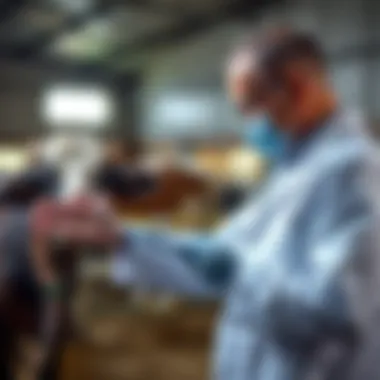
Surgical removal of cattle warts stands as one of the most direct ways to eliminate these growths. This method involves the excision of warts through a scalpel and is especially beneficial for larger or more problematic warts. One key characteristic of surgical removal is its immediate results, where the physical presence of warts is eradicated almost completely.
A unique feature of this method is that it allows for a thorough assessment of the wart during the procedure, which can provide insight into any underlying conditions. Advantages of surgical removal include rapid recovery, although it does require proper anesthetic use and careful handling to mitigate any surgical risks. However, there might be some disadvantages, such as the need for specialized training and the potential for infections at the site of surgery.
Cryotherapy
Cryotherapy represents a less invasive method, relying on extreme cold to destroy wart tissue. Applying cryogenic agents like liquid nitrogen causes the wart to freeze, which ultimately leads to cellular destruction. One standout feature of cryotherapy is that it's generally done quickly and can be less painful for the animal compared to surgical removal.
Additionally, this method is particularly beneficial for smaller warts, where targeted treatment is effective. Advantages of cryotherapy include minimal downtime as cattle can often resume normal activities shortly after treatment.
However, it may not be as effective on larger or interconnected warts, and some farmers might notice a recurrence if underlying issues are not addressed.
Electrosurgery
Electrosurgery offers another viable option for dealing with cattle warts. This technique employs high-frequency electrical currents to cut through the wart, often simultaneously cauterizing the area. A key benefit of electrosurgery is its precision, minimizing damage to surrounding healthy tissue, which can promote quicker healing.


Farmers who have opted for electrosurgery often note its effectiveness on larger growths. The disadvantage, however, might lie in cost, and proper training is required for the veterinary professional using this technique to ensure safety. Moreover, caution must be taken to manage pain and avoid complications during the procedure.
Medications and Interventions
In addition to surgical operations, various medications and topical interventions also play a crucial role in wart management. These treatments can complement veterinary procedures or serve as standalone approaches, depending on the severity of the case.
Topical Treatments
Topical treatments involve the application of medications directly to affected areas. These treatments can range from antiseptic solutions to specialized preparations explicitly designed to promote wart regression. A primary advantage is that they can often be applied with ease, enabling farmers to act promptly without vet intervention.
Unique features include accessibility, both in terms of cost and ease of application. However, their effectiveness may vary, especially in cases where warts are more extensive or deeply rooted. Farmers should keep in mind that results may take time, and persistence is key for these treatments to show any significant progress.
Vaccination Strategies
Vaccination strategies may serve as a proactive approach alongside treatment options. Immunizations designed specifically for bovine papillomavirus can help produce a stronger immune response in cattle against potential infections. Such strategies represent a long-term preventive measure, aimed at reducing the incidence of warts rather than treating them post-infection.
The advantage of vaccination hinges upon its capability to bolster herd health and mitigate economic losses in agricultural settings, making it a wise investment for farmers. Nonetheless, it requires continuous monitoring and follow-ups to ensure that the vaccine program is effective and remains current with emerging strains of the virus.
Home Remedies for Cattle Warts
When it comes to managing cattle warts, home remedies are an interesting facet worth exploring. These solutions can offer affordable and accessible treatment options for farmers who may lack immediate access to veterinary care. Home remedies can enhance the overall welfare of livestock by providing a straightforward approach to control mild cases of warts, especially on farms where the prevalence of the benign tumors fluctuates.
Not only do these remedies tap into readily available household items, but they also resonate with many who prefer natural and holistic methods over pharmaceuticals. However, while they may hold promise, it's important to approach them with caution and a good dose of common sense.
Natural Solutions
Apple Cider Vinegar
Apple cider vinegar (ACV) stands out as one of the more popular home remedies among farmers and livestock caregivers. The acidic nature of ACV can help combat the virus that leads to the development of cattle warts. Its ability to create an unpleasant environment for pathogens is what gives ACV its edge.
Using this natural solution is pretty straightforward. Often, a mixture of ACV and water is applied to the warts using cotton balls. This practice takes advantage of ACV's antiseptic properties, which can potentially help to shrink the size of the warts over time. It’s also well-loved for its affordability, making it a go-to choice for many.
However, there are notable caveats. The acidic content might cause discomfort for some animals, leading to agitation. It's advisable to monitor the cattle closely after application. If any adverse reactions occur, it’s best to discontinue use.
Tea Tree Oil
Another remarkable option is tea tree oil, known for its antibacterial and antiviral characteristics. This essential oil is derived from the leaves of the Melaleuca alternifolia tree, which is native to Australia. Many farmers have turned to tea tree oil as a potential remedy that’s effective against a variety of skin conditions, including cattle warts.
When applying tea tree oil, dilution is key, as undiluted oil might be too potent for livestock skin. Mixing a few drops of tea tree oil with a carrier oil can create a safer application. Once applied, it may help in reducing inflammation and promoting healing, aiding in the recovery process for the affected areas.
As for the downsides, the expense of pure tea tree oil can be a deterrent for some. Moreover, some animals might demonstrate sensitivity to it, so caution is required when introducing any new treatment.
Limitations of Home Remedies
While home remedies can offer some benefits, they aren't a one-size-fits-all solution. The effectiveness often varies from animal to animal. Additionally, there is no rigorous scientific backing for many traditional methods, which can lead to inconsistent results.
Furthermore, certain home remedies may only serve as temporary fixes, especially when warts are widespread or cause considerable discomfort. In such cases, chief reliance on veterinary care remains essential. Understanding the limitations is crucial for efficiently managing cattle warts while ensuring animal welfare.
Preventive Measures
Preventing cattle warts is a cornerstone of effective livestock management. Addressing this issue before it arises saves time, resources, and ultimately, the well-being of the herd. Through diligent management practices, farmers can establish a fortress against the outbreak of bovine papillomavirus, thus protecting their livestock. Preventive measures not only support the health of the cows but also enhance the overall productivity and efficiency of the farm. Here’s a closer look at how implementing robust strategies can make a real difference.
Biosecurity Practices
Biosecurity is the name of the game in preventing cattle warts. It involves a range of protocols designed to minimize the risk of introducing pathogens into the herd. Simple yet effective practices can remarkably reduce transmission rates. Here are key components to consider:
- Isolation of New Animals: Always quarantine new additions to the herd for at least 30 days. This practice ensures that any latent infections don’t spread.
- Control of Animal Movement: Limit shared pastures and access to livestock markets. Keeping a tight rein on animal movement minimizes chances of external contamination.
- Personnel Hygiene: Ensure that anyone working with the herd practices strict hygiene. This includes changing clothes and disinfecting footwear before coming into contact with the cows.
- Regular Health Monitoring: Keep a vigilant eye on your herd's health. Routine veterinary checks can catch early signs of warts, allowing for prompt action.
Implementing these practices requires commitment and consistency. It’s not just about having a set rule; it’s about creating a culture of health and safety among your livestock management team.
"An ounce of prevention is worth a pound of cure." - Benjamin Franklin
Environmental Management
Creating a favorable environment for cattle goes a long way in preventing warts from developing. Several factors contribute to how well cattle thrive and resist disease, including their living conditions and diet. Here are standout aspects of effective environmental management:
- Clean Living Spaces: Regularly clean barns and enclosures to minimize worm infestations and bacterial growth. A spotless environment reduces stress on the animals and lowers the risk of infections.
- Quality Pasture Management: Providing lush, healthy pastures not only promotes good nutrition but also helps in minimizing skin irritations. Overgrazing should be avoided to ensure the land remains productive and healthy for grazing.
- Water Quality: Ensure that the herd has access to clean, uncontaminated water. Good hydration plays a crucial role in overall health and resilience against diseases, including warts.
- Stress Reduction: Factors such as overcrowding can lead to huge health issues. Stress makes cattle more susceptible to infections, including the bovine papillomavirus. Effective herd management practices should consider the mental and physical well-being of the animals.


Taking a proactive stance through effective environmental management can greatly decrease the likelihood of cattle warts appearing in your herd. The investment in these strategies may seem like a heavy burden at first, but the long-term benefits for both cattle health and farm operations are indisputable.
The Role of Nutrition in Preventing Cattle Warts
When it comes to managing cattle warts, the role of nutrition can often be overlooked. Proper nutrition doesn’t just help with general health; it plays a critical part in immune system function, which is paramount for preventing various diseases in livestock, including those pesky cattle warts caused by the bovine papillomavirus.
Good nutrition provides the building blocks for a strong immune response. For instance, a well-balanced diet that includes adequate vitamins and minerals helps to bolster the immune defense, making it harder for the virus to take hold. If cattle are consuming the right nutrients, they are less likely to fall victim to infections that can result in warts.
Moreover, feeding quality feed also encourages optimal growth, which often leads to more robust health overall. Healthy animals can better resist infections, which significantly reduces the incidence of warts and enhances productivity on the farm.
Additionally, the importance of protein in a cow’s diet cannot be underestimated. Cows require a certain amount of protein to maintain bodily functions and prepare for disease fight. Insufficient protein intake can leave livestock vulnerable to infections, including those leading to warts. Special attention should also be given to ensure that livestock have access to fresh water, as hydration is vital for maintaining a healthy immune system.
This nutrition strategy is not just about feeding animals; it requires a holistic approach that encompasses a thorough understanding of each animal’s dietary needs over their life cycle. Factors such as age, breed, and even environmental conditions should guide the nutritional strategy employed by farmers to keep warts at bay.
"A strong immune system is only as good as the nutrients it receives."
In summary, strong nutrition serves as a first line of defense against cattle warts. By optimizing the diets of cattle, farmers can significantly enhance health, productivity, and consequently, combat the occurrence of cattle warts. It's a proactive measure that pays dividends in the long run, ensuring not just the well-being of the animals, but also the sustainability of farming operations.
Nutritional Requirements for Healthy Livestock
To effectively support the immune system and stave off cattle warts, nutrition should encompass a comprehensive range of elements. Here are some of the essential nutritional requirements:
- Protein: Vital for growth and repair processes, as mentioned earlier. Good sources include alfalfa, soybean meal, and other high-protein forages.
- Vitamins and Minerals: Important for immune function.
- Fiber: Essential for proper digestive health, fiber-rich feeds like hay or silage contribute to overall well-being.
- Energy: Ensuring energy requirements are met through grains and quality forages supports weight maintenance and overall health.
- Vitamin A and E are particularly beneficial. They can be found in green forages and grains.
- Minerals like zinc and selenium also play a role in skin health, helping to prevent the development of warts.
Case Studies and Real-life Applications
Successful Treatment Cases
The success stories surrounding the treatment of cattle warts can offer farmers hope as well as guidance on effective methods. For instance, a case in Texas involved a herd of beef cattle that suffered from a significant papillomavirus outbreak. The rancher, following a thorough consultation with a veterinarian, opted for a combined approach. This included surgical removal of visible warts, supported by a vaccination program aimed at preventing future infections. The rancher observed a remarkable turnaround; within months, the incidence of warts plummeted and animal health improved drastically.
Another notable example comes from a dairy farm in Wisconsin, where the owner implemented a natural remedy alongside veterinary interventions. The use of apple cider vinegar diluted in water as a topical solution on affected warts, coupled with cryotherapy performed by a veterinarian, yielded impressive results. This case emphasizes how integrating home remedies with professional help can potentially enhance treatment efficacy.
"Combining techniques has proven effective; it’s not about one solution, but rather a thoughtful mix of strategies tailored to the specific situation."
Moreover, a study published in the Journal of Veterinary Medicine showcased how regular monitoring and proactive treatment—along with educating staff about biosecurity measures—helped a large cattle operation in Ohio minimize the impact of warts for years. This case not only illustrates the practical application of various treatments but also highlights the long-term commitment required to keep cattle warts at bay.
Long-term Management Strategies
Long-term management is the lifeline for any cattle operation when faced with warts. Case studies reveal that it is not just about eliminating existing growths but also about creating an environment that is less conducive to future outbreaks. One poultry and cattle cooperative in California adopted a comprehensive management plan that included enhanced biosecurity measures, such as isolating newly introduced animals and conducting regular health checks.
They found that maintaining a clean environment significantly reduced the incidence of warts. The implementation of nutrition-focused protocols, ensuring that animals received a balanced diet rich in vitamins and minerals, also played a critical role. This underscores the connection between overall animal health and the body’s ability to fend off infections, including warts.
Another strategy seen in practice is the use of rotational grazing. A case study from a ranch in Nevada highlighted how rotating cattle between grazing fields not only maintained pasture health but also reduced the risk of warts by disrupting the cycle of virus transmission. Regular veterinary consultations remained a cornerstone of their strategy, ensuring that any signs of warts were addressed promptly before they could spread.
In summary, these real-life applications offer insights into the effectiveness of varied treatment and management strategies. They illustrate not only the potential outcomes but also the multifaceted approach necessary for successful herd health management. Each case emphasizes the need to remain proactive, informed, and adaptable, showcasing that while cattle warts can be a nuisance, with the right strategies, farmers can keep their herds healthy and productive.
Finale and Final Thoughts
Cattle warts can seem like a minor nuisance, but understanding their implications is vital for ensuring the health and productivity of livestock. This article has traversed through various strategies aimed at eliminating this issue, underscoring the importance of a multifaceted approach in managing cattle warts effectively.
Adopting a holistic method encompasses not only veterinary interventions such as surgical removal and cryotherapy but also the use of home remedies and preventive measures. Each of these components contributes to a system that bolsters the overall welfare of the cattle. Farmers and veterinarians alike must recognize that cattle warts, despite being benign tumors, can lead to larger health complications if not managed properly. Moreover, they can impede the cattle’s ability to graze or move, ultimately affecting productivity and well-being.
Key benefits of an integrated approach include:
- Enhanced cattle health and longevity
- Improved farm productivity and economic returns
- Reduction in potential infectivity to other livestock
Considerations about future directions also play a significant role in this discussion. As research evolves, staying abreast of new treatment modalities and best practices ensures a proactive stance against cattle warts.
"An ounce of prevention is worth a pound of cure."
Keeping livestock healthy ultimately translates to a more sustainable farming operation. With the proper strategies in place, the agricultural community can move closer to mitigating the impact of cattle warts, fostering healthier herds.
Summary of Key Points
- Understanding Cattle Warts: These benign tumors caused by the bovine papillomavirus can affect cattle's health and productivity.
- Impact on Livestock Health: Although non-cancerous, they may lead to behavioral changes and physical discomfort for the animals.
- Treatment Options: Various methods exist, from veterinary procedures to home remedies, each with its benefits and limitations.
- Preventive Measures: Implementing strict biosecurity practices and proper environmental management can significantly reduce the risk of cattle wart outbreaks.
- Nutritional Support: A balanced diet also plays an essential role in maintaining a healthy livestock population and preventing illnesses.
Future Directions in Research and Management
The quest for better solutions to manage cattle warts is ongoing. One area of future research may focus on developing vaccines that preemptively combat the bovine papillomavirus before outbreaks occur. Enhancing biosecurity protocols and exploring novel treatment methods, such as gene therapy, could also lead to more effective solutions.
Continued education for farmers and veterinarians about emerging research will further revolutionize how we approach cattle health. By integrating insights from contemporary studies into everyday practice, the agricultural community can develop stronger, healthier livestock. In this evolving landscape, adapting to new knowledge will be crucial to enhancing livestock welfare and ensuring a productive farming future.