Ejaculation After Prostate Removal: Key Insights

Intro
Ejaculation, a complex and multifaceted process, plays a significant role in male sexual health and well-being. For men undergoing prostate removal surgery, or prostatectomy, understanding the changes that follow is critical. The surgical removal of the prostate can lead to alterations in not just physical functions but also emotional dynamics that affect relationships and personal identity.
As we journey through this topic, this article will break down the anatomy of the prostate, detail the mechanics of ejaculation, and explore the aftereffects of surgery. With various insights into both the physiological and psychological impacts, we will aim to furnish readers with a thorough comprehension of what to expect in the aftermath of this life-altering procedure. Furthermore, we will discuss potential treatment options and lifestyle changes available to help navigate the complexities of sexual health post-surgery, providing both knowledge and support for patients and healthcare providers alike.
Prelude to Prostate Surgery
Prostate surgery is an essential topic in understanding the health challenges that many men face, particularly those battling prostate cancer or other serious prostate conditions. This section serves to introduce the many critical aspects surrounding prostate removal surgeries, focusing on their purpose, types, and repercussions, especially regarding ejaculation health. By grasping these foundational elements, readers can better appreciate the complexities involved and make informed decisions about their treatment options.
Purpose of Prostate Removal
The primary goal of prostate removal is to treat serious health concerns, most notably prostate cancer. Removing the prostate can prevent the spread of cancer cells and alleviate other prostate-related issues, like benign prostatic hyperplasia or recurrent urinary tract infections. Essentially, when doctors recommend surgery, they often aim to prolong life and enhance the quality of life for their patients.
For many, this decision isn't taken lightly. Engaging in discussions with healthcare professionals about the prognosis, potential risks, and benefits of prostate removal is crucial. During this decision-making process, patients should weigh the advantages of cancer control against possible complications, like changes in ejaculatory function and sexual health.
Types of Prostate Surgery
Understanding the various types of prostate surgery helps illuminate their respective roles and implications in the realm of sexual health. Four common surgical approaches are often considered:
Radical Prostatectomy
Radical prostatectomy is a surgical procedure where the entire prostate gland and some surrounding tissue are removed. This intervention is frequently recommended for localized prostate cancer. A significant feature of this surgery is its potential to achieve an excellent cancer control rate.
However, one must also consider some drawbacks. Patients often experience changes in sexual function, including erectile dysfunction and altered sensation. Given these potential outcomes, it's crucial for patients to be prepared for the challenges following surgery, understanding that while the procedure may save lives, it could significantly alter sexual health.
Laparoscopic Prostatectomy
Laparoscopic prostatectomy is a minimally invasive technique that involves smaller incisions compared to radical procedures. This method can lead to less post-operative pain and a quicker recovery time, making it an increasingly popular choice. The key characteristic of this surgery is that it utilizes advanced video technology, allowing surgeons to perform precision work with minimal damage to surrounding tissues.
Laparoscopic surgery does still carry risks, such as bleeding and infection, but typically, the recovery experience is smoother for many patients. Moreover, the potential for better preservation of nerve function, which may largely affect erectile functionality post-surgery, makes it an appealing option.
Robotic-Assisted Surgery
Robotic-assisted surgery takes laparoscopic techniques a step further by using robotic systems to enhance precision. Surgeons control robotic arms to perform the operation, providing an extra level of control. This modern method often leads to minimized blood loss, less pain, and shorter hospital stays.
Nonetheless, while robotic-assisted surgery is often lauded for its benefits, it may not always be available to every patient due to logistical issues, and it's indispensable for patients to consult with their healthcare providers to see if this approach suits their specific situation. Some men have reported fewer side effects regarding sexual function with robotic techniques when performed by skilled surgeons, representing a compelling choice for those considering their prostate removal options.
Understanding Ejaculation
Ejaculation, often viewed as a simple physiological response, entails a complex interplay of various anatomical and physiological factors. In the context of prostate surgery, understanding this process becomes crucial for both patients and healthcare providers. The implications of prostate removal extend beyond immediate physical changes, encompassing emotional well-being and relationship dynamics as well.
Recognizing the intricacies involved in ejaculation can foster better communication between patients and their medical teams, thereby facilitating informed decisions regarding treatment options and coping mechanisms post-surgery. Moreover, knowledge about ejaculation’s physiological elements allows individuals to navigate changes in sexual function with greater confidence, leading to enhanced quality of life.
Anatomy Involved in Ejaculation
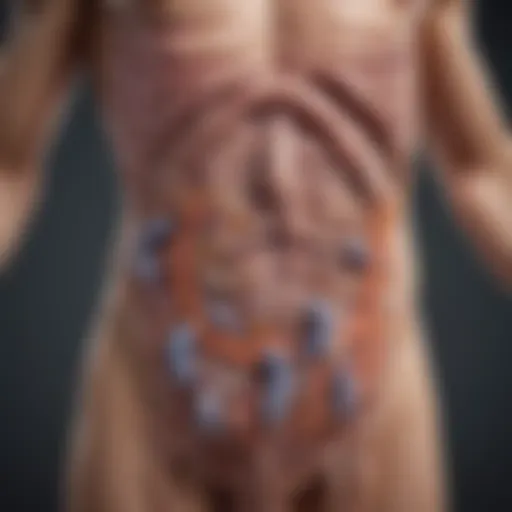
The anatomy related to ejaculation includes several key structures that work closely together. The prostate gland, seminal vesicles, and various muscular components of the reproductive system each play specific roles.
- Prostate Gland: This walnut-sized gland, located just below the bladder, produces a significant portion of seminal fluid. Its removal can drastically alter fluid production during ejaculation.
- Seminal Vesicles: These glands contribute to the majority of the volume of semen, providing nourishment and hormonal support. The removal of nearby structures may affect their functionality.
- Sphincter Muscles: These muscles control the expulsion of semen. After surgery, the coordination of these muscles may be disrupted, leading to changes in the overall process of ejaculation.
Understanding these elements helps in grasping why certain functions may not behave as expected after prostate surgery.

Physiological Process of Ejaculation
Ejaculation is a multi-step process involving neurophysiological responses, muscular contractions, and the ejection of seminal fluid. Initially, sexual arousal activates the nervous system, leading to increased blood flow to the penis. When the arousal reaches a certain threshold, a reflex is triggered, leading to the sensation of impending ejaculation.
The sympathetic nervous system plays a pivotal role here. Upon stimulation, it signals the prostate and seminal vesicles to release fluid into the urethra. This is where the sphincter muscles tighten to prevent urine from mixing with semen. The rhythmic contractions of pelvic floor muscles eventually lead to the expulsion of semen.
Post-prostatectomy, these physiological signals may not function as they once did. Consequently, many men experience altered sensations or difficulties in achieving ejaculation.
Role of Seminal Fluid
Seminal fluid serves vital functions during ejaculation beyond mere transport of sperm. It contains enzymes, sugars, and other components that facilitate sperm motility and viability. With prostate removal, the overall fluid composition and ejection mechanism may change significantly.
The absence of prostate-derived fluid can result in:
- Decreased Volume: As the prostate contributes most of the fluid during ejaculation, its removal often leads to what is termed a "dry orgasm" where little to no liquid is expelled.
- Changes in pH and Viscosity: Without the prostate's contributions, the chemical balance of remaining fluids can be altered, potentially impacting the comfort and experience of sexual intercourse.
- Semen Quality: Although sperm can still be viable post-surgery, the quality and attributes of hope may vary, making conception more challenging.
Understanding the role of seminal fluid not only sheds light on the ejaculatory process but also emphasizes the physical ramifications of prostate surgery, setting the stage for discussions about emotional and relational impacts in the sections that follow.
Impact of Prostate Removal on Ejaculation
The impact of prostate removal on ejaculation is a critical topic in understanding the repercussions that accompany prostate surgery. When an individual undergoes such a surgery, it's not only the physical processes that are at stake but also the emotional and psychological dimensions. Men who have undergone a prostatectomy often face new realities regarding sexual function, making it essential to navigate these changes with awareness and understanding.
Effects on Seminal Fluid Production
One of the most immediate effects following prostate removal pertains to seminal fluid production. The prostate gland plays a pivotal role in producing components of semen, which contribute to both the volume and composition of ejaculate. After surgery, because the prostate is removed, many individuals notice a significant decrease in the amount of seminal fluid produced during sexual activity. This is primarily because, without the prostate, and often the seminal vesicles as well, the body lacks critical sources of fluid for ejaculate formation. Consequently, this leads to what many refer to as a "dry orgasm," where the sensation of orgasm remains, but there is little to no fluid ejected.
Men often report this change to be stark and disorienting, as the sensations associated with climax can remain intact, but the physical manifestation of ejaculation is lost. Understanding this change is crucial for patients, as anticipations might lead to disappointment or confusion if they aren't adequately informed in advance about what to expect. This knowledge fosters better adjustment and paves the way for constructive discussions with healthcare providers.
Changes in Sexual Function
Post-surgery changes in sexual function are not only psychological but can also be physiological. The loss of the prostate and associated structures can significantly alter the sensation of sexual activity.
Altered Sensation
Altered sensation following prostate removal often becomes a topic of great concern. Many individuals find that while the act of intercourse might still feel pleasurable, the sensations can markedly differ from what they experienced prior to surgery. Specifically, the absence of prostatic fluid alters the tactile feedback and may reduce the overall pleasure derived from sexual activities.
Key characteristics of altered sensation include the following:
- The absence of fluid during climax can lead to confusion about what constitutes the peak of sexual experience.
- Many report that the climactic feeling remains but without the pleasurable physical indications that come with ejaculation.
- The unique aspect of this situation involves adjusting to what one’s body now experiences compared to previous encounters.
While these changes can be quite troubling, they are essential to discuss during follow-ups with health professionals who can offer guidance and alternative methods for enhancing sexual pleasure.
Ejaculatory Dysfunction
Ejaculatory dysfunction is another critical factor following prostate surgery. Men may find that not only do they experience dry orgasms, but in some cases, they face more complicated issues like total inability to orgasm or experience a significant lag in achieving climax.
Key characteristics of ejaculatory dysfunction are manifold:
- It can incorporate challenges like loss of libido or difficulties in achieving erection, which are, in part, physiological responses to surgical trauma or nerve damage.
- There is a psychological component too, where the anxiety about these changes can compound the experience, making intimacy less enjoyable or even feared.
- The uniqueness of this dysfunction lies in the individual’s interpretation of sexual health, often leading to a significant emotional toll.
While people may be quick to label these changes as negative, many adapt, discovering new ways to experience pleasure beyond traditional ejaculation, ultimately reshaping their understanding of sexual fulfillment. This conversation about ejaculatory dysfunction encourages honesty and open communication with partners, further alleviating feelings of isolation or frustration.


"Understanding and discussing these changes is vital to maintaining intimacy post-surgery. Communication with partners and healthcare providers can offer pathways to satisfy emotional and sexual needs."
In summary, recognizing and addressing the impacts of prostate removal on ejaculation can significantly improve post-operative quality of life. Through education and communication, men can better adjust to these changes and explore alternatives that still allow for intimate connections.
Potential for Orgasm Without Ejaculation
Exploring the potential for orgasm without ejaculation is a vital aspect of understanding sexual health and experience post-prostate removal. For many men, sensitivity and the ability to reach orgasm remain attainable, despite the absence of ejaculatory fluid. This topic is especially relevant for those who have undergone prostate surgery and may face dramatic changes in their sexual functioning. Such knowledge can lead to better adaptation and acceptance of new sexual norms, helping to alleviate psychological stress.
Understanding Dry Orgasm
A dry orgasm refers to the sensation of climax without the expulsion of seminal fluid. This phenomenon can occur in men after prostate surgery, as the prostate and seminal vesicles—key players in producing fluid—are often removed or significantly altered. Importantly, achieving a dry orgasm can still provide significant pleasure and satisfaction.
- Features of Dry Orgasm: The feel may differ from traditional orgasms, yet many report that it can still be intensely pleasurable. The muscular contractions are similar, and while the release of fluid is absent, the emotional and physical exhilaration remains.
- Sexual Techniques: Some men find that various techniques, such as pelvic floor exercises (like Kegels) or focusing on different erogenous zones, can enhance their experiences.
Physiological Mechanisms
The physiological mechanisms behind a dry orgasm involve complex neurological and muscular pathways. After prostate removal, even though the prostate is no longer present to contribute seminal fluid, several components still function.
- Nervous System Involvement: The pelvic nerves still play a critical role in sexual arousal and orgasm. These nerves can stimulate the necessary responses for climax, leading to a sense of release and pleasure.
- Muscle Contractions: The contraction of pelvic floor muscles remains intact. These contractions are responsible for the sensation of orgasm itself. The excitation from other parts of the body may also enhance this feeling, leading to satisfaction without ejaculation.
"A dry orgasm can provide a deeply fulfilling sexual experience, helping individuals redefine pleasure post-surgery."
- Rewiring the Brain: Research suggests a certain degree of neuroplasticity in the male sexual response can occur after prostate surgery. This means that despite changes, the brain can adapt to create pleasurable experiences that don't rely on ejaculation.
Psychological Considerations Post-Surgery
Understanding the psychological implications following prostate surgery is crucial for a well-rounded recovery. Beyond the physical changes that can occur, the emotional consequences can be just as significant, often impacting the quality of life and interpersonal relationships. It's not just about surviving the surgery; it’s about thriving afterward. Many men experience feelings of anxiety, depression, or uncertainty about their sexual health post-surgery. These feelings can stem from changes in bodily functions, loss of control, and fears about intimate relationships.
When men undergo prostate removal, the conversation often revolves around technical aspects of the surgery, but the psychological effects deserve equally robust attention. Research suggests that sex-related health issues can affect mental health, leading to a cycle where physical struggles exacerbate emotional distress. Thus, it's essential for both patients and healthcare providers to recognize the importance of addressing these psychological aspects.
Emotional Responses to Sexual Changes
The emotional toll of undergoing surgery to remove the prostate can be profound. Many men confront feelings ranging from grief over lost abilities to a sense of estrangement from their own bodies. Surgeons often inform patients about possible changes during pre-operative consultations, yet these discussions might not adequately prepare them for the emotional turmoil that may follow.
For example, consider a man who has always identified strongly with his sexual capabilities. Post-surgery, the sudden realization that ejaculation may no longer be part of his sexual experience can trigger feelings of inadequacy or loss of masculinity.
- Common emotional responses include:
- Anger: Frustration over the physical limitations introduced by surgery.
- Sadness: Mourning the loss of a once-familiar aspect of sexual identity.
- Fear: Concern over how these changes will affect intimate relationships moving forward.
- Loneliness: Feeling isolated, especially if family or friends do not understand what he’s going through.
Recognizing and validating these feelings can play an important role in the recovery process. Engaging in counseling or support groups can provide a safe space for men to voice their concerns and foster a sense of community.
Impact on Relationships
The after-effects of prostate surgery do not only touch the individual but may extend to partners and relationships, creating a ripple effect that deserves serious attention. Sexual health is a significant part of many relationships, and changes in that domain can lead to misunderstandings and discomfort.
Couples might find themselves grappling with:
- Communication barriers: Partners may feel unsure about how to discuss sexual issues, resulting in avoidance rather than confrontation.
- Changes in intimacy: The shift from penetrative sex to new forms of intimacy can be confusing and might not fulfill both partners’ emotional needs.
- Resentment or frustration: If partners can't navigate the new landscape of sexual health together, feelings of resentment may grow.
To navigate these emotional waters, couples are encouraged to maintain open lines of communication. Discussing feelings, exploring alternatives for intimacy, and understanding that both partners may need time to adjust can greatly aid in foster a supportive environment for healing together. Effective sexual health education for both parties can also enhance mutual understanding and compassion.


"Communication is the key to a healthy relationship." The importance of dialogue in addressing sexual health changes cannot be overstated. By being proactive, individuals are better armed to create an atmosphere of acceptance and adaptability.
Medical Management and Alternatives
Navigating sexual health after prostate removal can be a complex journey. Medical management and alternatives play a crucial role in addressing the challenges that arise post-surgery. This section highlights various therapeutic options and lifestyle adjustments that can enhance sexual health outcomes for individuals recovering from prostatectomies.
Therapeutic Options for Sexual Health
Erectile Dysfunction Treatments
Erectile dysfunction (ED) treatments are pivotal in restoring sexual function after prostate surgery. Many patients experience varying degrees of ED due to the nerve damage that can occur during prostatectomies. These treatments primarily encompass medications like phosphodiesterase type 5 inhibitors such as sildenafil, also known as Viagra, or tadalafil, branded as Cialis. The key characteristic of these medications is their ability to enhance blood flow to the penis, making it easier to achieve and maintain an erection.
The benefits of erectile dysfunction treatments are numerous; they provide a non-invasive way to regain sexual capabilities and help restore confidence.
- However, there are also considerations to keep in mind. Some individuals may face side effects such as headaches, flushing, or nasal congestion. Additionally, these medications require sexual stimulation to be effective, which may not align with every patient’s situation or comfort level.
Counseling and Support
Counseling and support services are equally vital in the recovery process. The emotional toll that comes with changes in sexual function post-surgery can be significant. Engaging with a qualified therapist or joining support groups can facilitate open discussions about these sensitive topics. These resources help individuals work through emotional responses, better understand their experiences, and build resilience.
A significant strength of counseling is its personalization. Therapists can tailor approaches based on individual circumstances, addressing not just the emotional side of sexual health but also imparting coping strategies for adjustments in intimacy and relationships.
- While counseling offers numerous advantages, it’s not without its challenges. Some individuals may feel wary of opening up about their feelings or may not find the right support immediately. Hence, persistence in seeking assistance is often necessary.
Lifestyle Adjustments
In addition to medical treatments and counseling, lifestyle adjustments play a significant role in enhancing sexual health post-prostate removal. Simple changes can positively influence recovery and overall well-being.
- Physical activity: Regular exercise can improve cardiovascular health, raise energy levels, and positively affect mood. It has been correlated with better sexual health and recovery post-surgery.
- Dietary changes: A balanced diet rich in fruits, vegetables, whole grains, and lean proteins can support general health and may even impact erectile function.
- Stress management: Stress can negatively affect sexual performance and intimacy. Practicing mindfulness or engaging in hobbies can help alleviate stress.
These lifestyle elements not only support recovery but also empower individuals to take charge of their health, contributing to a more fulfilling post-surgery life.
Closure: Navigating Sexual Health After Prostate Removal
Understanding the intricate pathways of sexual health after prostate removal is vital for anyone who has undergone this life-altering procedure. The shift in how one experiences sexuality post-surgery can be daunting, yet knowledge is power. This conclusion serves to synthesize the various aspects discussed throughout the article, highlighting their significance in fostering a positive outlook on sexual health.
The implications of prostate surgery extend beyond the physical realm. They ripple through psychological layers and social interactions, intertwining intimately. Hence, comprehending these facets is not just about the mechanics of ejaculation; it’s about reclaiming control over one's sexual expression and intimacy.
The Importance of Patient Education
Patient education stands as a cornerstone in managing sexual health after prostate removal. Knowledge empowers individuals to navigate their new reality with confidence. When patients are well-informed, they can approach conversations with healthcare providers more effectively, seek out necessary therapies, and take proactive steps in their recovery. Notably, understanding that ejaculation may change or even cease doesn’t have to spell the end of sexual enjoyment.
Educational programs tailored towards sexual health after prostatectomy should adequately cover:
- Physiological changes post-surgery and their potential consequences.
- Resources available, such as support groups or counseling services that address emotional and relationship navigation after surgery.
- Alternative methods for enhancing intimacy that don’t rely solely on traditional sexual acts.
By fostering an environment where patients can freely discuss their concerns and feelings, we pave the way to improved emotional and sexual well-being.
Future Directions in Research
As our understanding of prostate surgery advances, so too must our research efforts. The landscape of sexual health remains dynamic; thus, ongoing studies are essential. Future research should focus on:
- Long-term effects of prostate removal on sexual function.
- The role of new therapeutic approaches such as stem cell therapy or regenerative medicine in restoring sexual function aspects.
- Investigating the psychological impacts of prostatectomy on long-term sexual satisfaction and overall well-being.
There is a pressing need for innovative studies that engage the lived experiences of individuals post-surgery. By integrating qualitative and quantitative research methods, we can develop a more nuanced comprehension of the challenges faced by patients. This engagement could potentially lead to groundbreaking therapies that prioritize restoration of sexual function while also accommodating emotional health.
"Knowledge is not only pivotal for recovery but also for improving quality of life and relationships after surgery."